 Tasselline | Latest Articles By Singaporeans, for Singaporeans Article Site for Singaporeans
Artificial intelligence has changed the way we think about design. Homeowners can now collect inspiration images, explore different styles and visualise potential layouts in seconds. But making pretty pictures is only a small part of the process of creating a luxury home. A house must be a reflection of those who live in it, respond to the site, meet the codes and stay comfortable for decades. That is where the experienced high end residential architect continues to play a major role. Professional architectural company in Singapore uses creative thinking, technical knowledge and real-world experience to turn ideas into homes that are practical and personal.
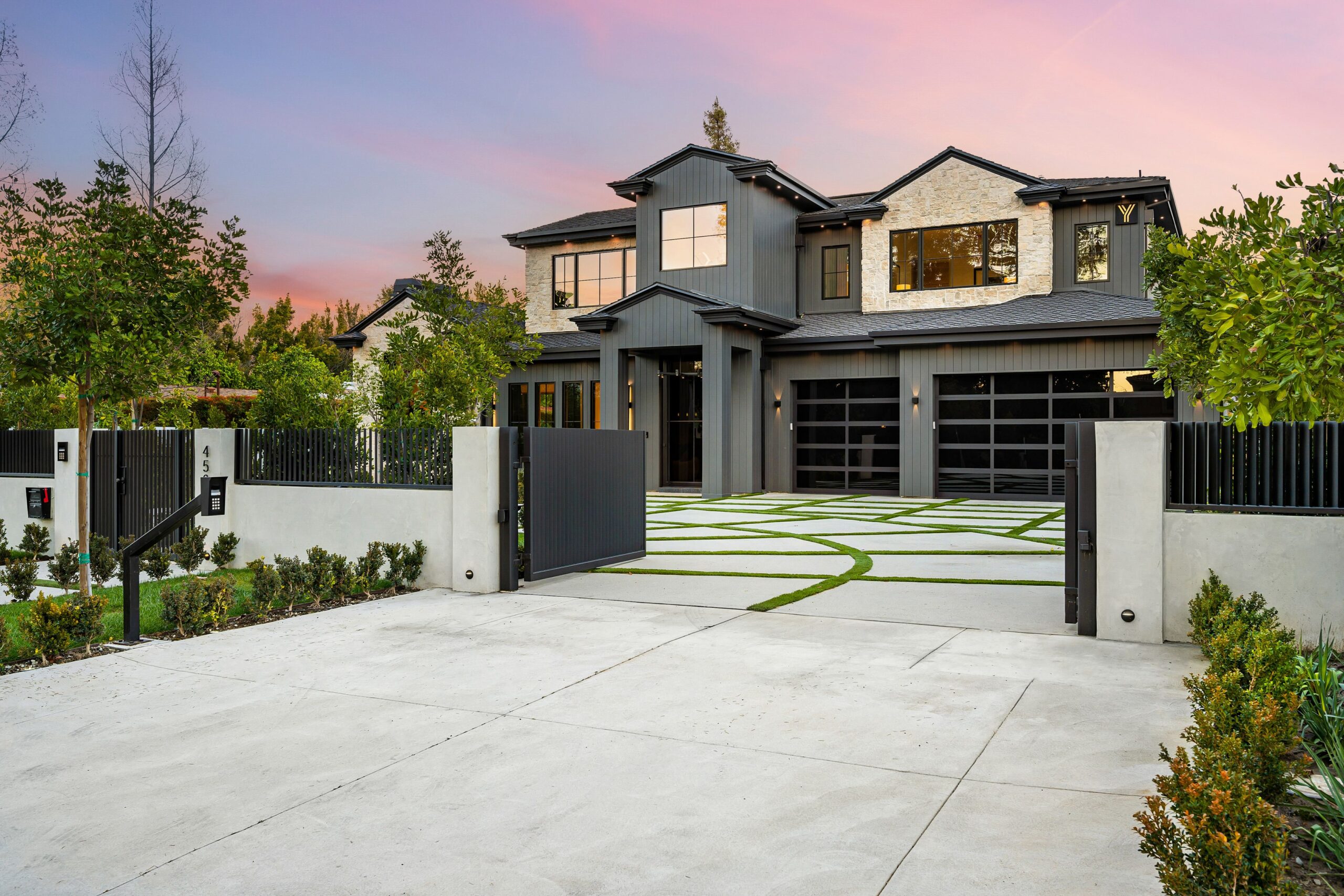
AI Has Changed Design, But Not the Need for Architects
There is no doubt that AI has become a useful tool in the design industry.
A homeowner planning a new house can now use AI platforms to explore different concepts. They can experiment with colours, materials, layouts, and styles before speaking with a professional.
However, a generated image is only a starting point. A picture may show a beautiful living room with large glass windows, but it does not answer important questions:
-
Will the space remain comfortable in Singapore’s climate?
-
Is the design practical to maintain?
-
Does the layout suit the homeowner’s daily routine?
-
Can the structure actually be built within the given requirements?
These are the areas where architects provide value.
Luxury Homes Are Built Around People, Not Just Trends
A luxury home is more than just expensive finishes or impressive looks. What really makes the difference is how well a house fits the people who live in it.
The priorities of each homeowner are different. Some may want a large entertaining area for family get-togethers . Others might prefer quiet corners, private spaces or a more intimate connection with nature.
Before an architect can design a plan, he must learn of these preferences. There is a human interaction that technology cannot entirely replace. A home should reflect the owner’s lifestyle, not simply follow the latest design trend.
The Role of Architects Goes Beyond Drawings
Many people still associate architects mainly with floor plans and building designs. While drawings are an important part of the process, they represent only one stage of their work.
An architectural firm in Singapore is a professional firm that is involved in many fields. Some of the fields include planning, coordination, technical decision making and project management.
A typical residential architecture process may involve:
|
Stage |
What Happens |
|
Consultation |
Understanding homeowner requirements and expectations |
|
Concept Development |
Creating design directions and possible solutions |
|
Planning |
Developing layouts and technical details |
|
Coordination |
Working with engineers and contractors |
|
Construction Support |
Monitoring progress and resolving issues |
Each stage requires experience and decision-making, especially when unexpected challenges appear.
Singapore Homes Require Local Knowledge
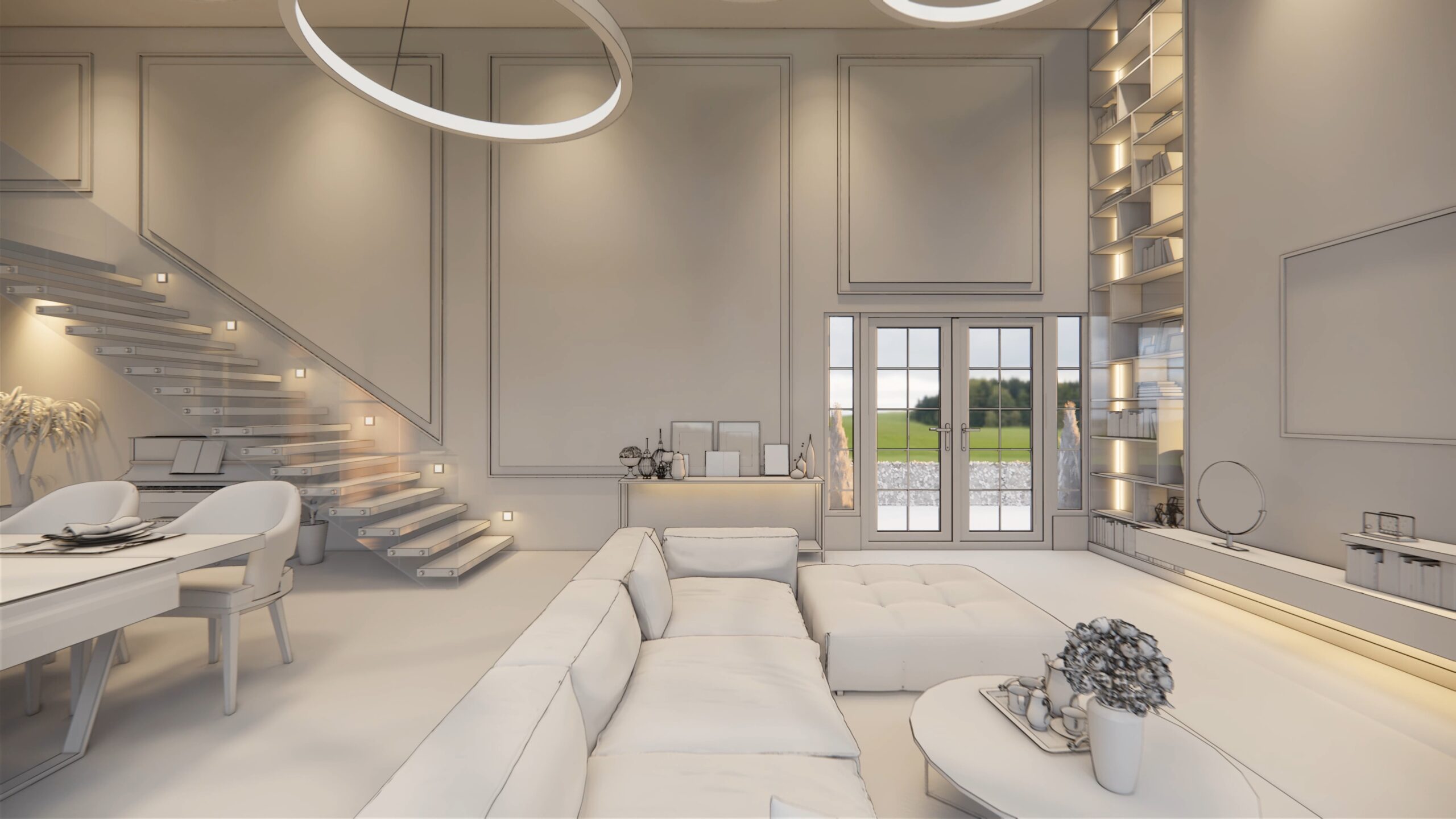
Designing homes in Singapore is not without its challenges. The design of homes is affected by tropical climate, limited land and strict building rules.
Experienced architects in Singapore understand the importance of natural ventilation, sun control, rain protection and smart space planning.
A design with lots of windows may look good, but architects have to think about how much heat the building will gain, how private it will be, how much energy it will use, before proposing such options. Architecture should be balanced.
AI Can Suggest Ideas, But Architects Make Decisions
One of the biggest differences between AI-generated designs and professional architecture is decision-making. AI can suggest hundreds of possibilities, but it does not understand the complete situation behind a project.
An architect considers:
-
The site condition
-
The surrounding environment
-
The homeowner’s lifestyle
-
Construction limitations
-
Long-term maintenance
These decisions shape whether a home remains enjoyable after five, ten, or even twenty years.
Architecture and Interior Design Need to Work Together
A home does not feel complete when architecture and interiors are treated separately. The placement of walls, windows, lighting points, storage areas, and furniture all influence how comfortable a space feels.
This is why an integrated interior architect and design approach is important for luxury residences. When architecture and interiors are planned together, homeowners can achieve:
-
Better space flow
-
A consistent design style
-
Improved functionality
-
More thoughtful details
The result is a home where every element feels connected.
Designing Homes That Can Adapt Over Time
The way of life changes from time to time. A room that is used as a home office today could be a bedroom or activity space tomorrow. As smart home solutions become more prevalent, technology requirements may also change.
That’s why many modern home design architects concentrate on flexibility. The best residential design anticipates future needs, creating spaces that can be reconfigured rather than quickly becoming obsolete.
A well-designed home should continue serving its owners as their lifestyle changes.
The Future Is Collaboration Between AI and Architects
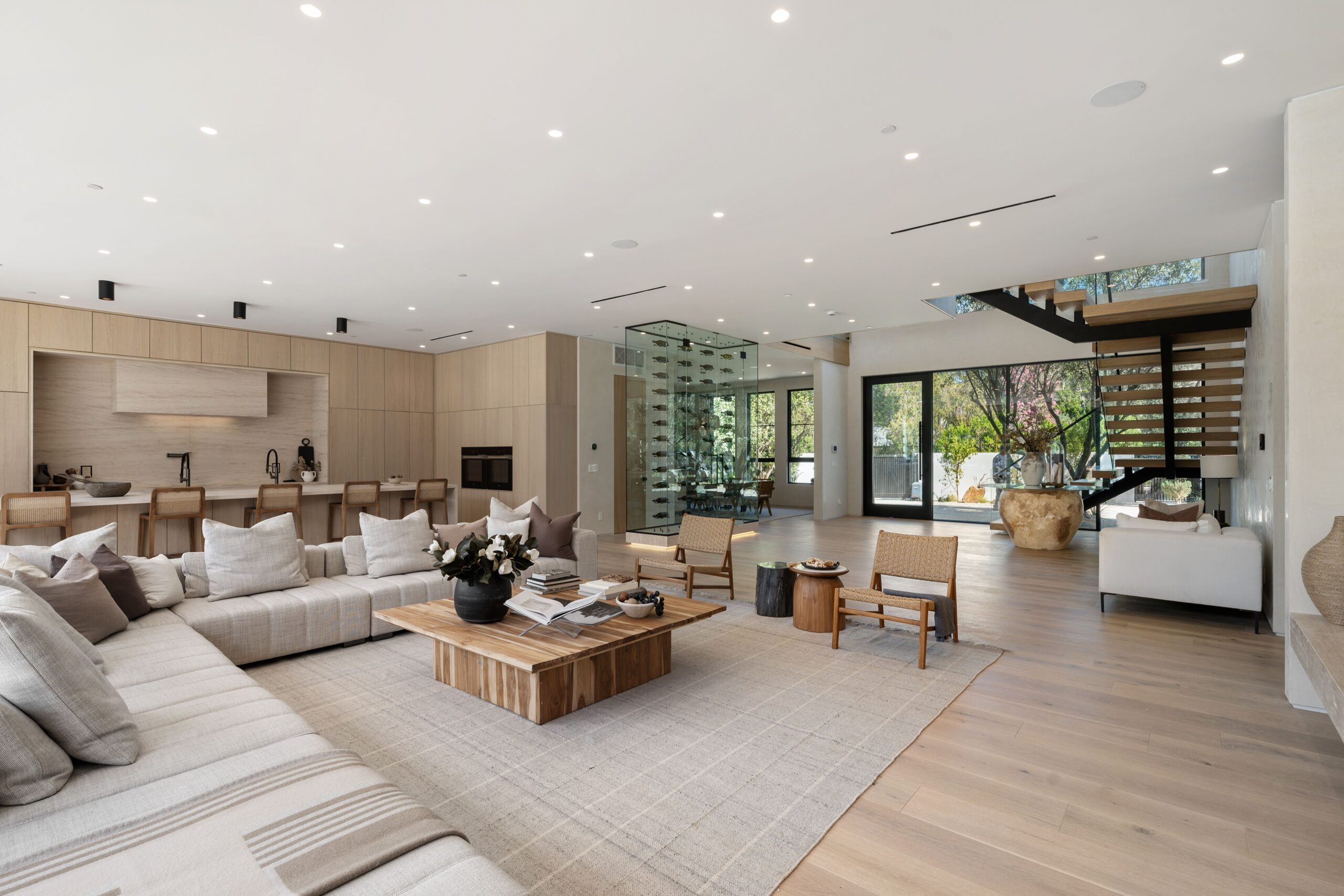
The discussion should not be about whether AI will replace architects. Instead, the future is likely to involve both working together.
AI can help architects work faster by supporting:
-
Early concept exploration
-
Design comparisons
-
Visual presentations
-
Idea development
But architects bring something equally important, the ability to understand people and make professional decisions.
Technology can provide options. Architect company in Singapore decide which options make sense.
Why Do Residential Architects Still Matter Today?
Residential architects remain important because they combine creativity, technical expertise, and human understanding. While AI can generate design ideas, architects ensure that luxury homes are practical, comfortable, compliant, and suitable for real-life living.
Conclusion
AI has accelerated and democratised the design process, but the human experience and professional judgement are still vital to creating a successful luxury home. Home is not only a visual creation but it is a place where people live years of their life. The real power of architectural knowledge is in knowing how people live, what they need, and how a space should work.
Landmark Architects Associate (LAA) continues to focus on creating inspired residential environments combining ingenuity, practicality and longevity. Established architectural firm LAA in Singapore collaborates with homeowners to create custom-made designs taking into account all the crucial components, including planning, structure, interior architecture and design solutions. Using modern design techniques and the knowledge of professionals, LAA helps build homes that are not only impressive but also a pleasure to live in for years to come.
FAQs
1. Can AI completely replace residential architects?
No. AI can help in the design process but architects are still needed for planning, technical decisions, approvals and personalised solutions.
2. Why Do Homeowners Need High End Residential Architects?
High-end residential architects master luxury aesthetics and practical living requirements, creating homes that are both unique and functional.
3. What sets Singapore architects apart from other places?
Designing homes in Singapore requires consideration of local climate, space constraints and specific building regulations.
4. Why interior design is important in residential projects?
The interior architect and the approach to design ensure that the interior of the house is consistent with the architectural concept.
5. How are modern homes different in design today?
Yes. Modern home design architects are typically concerned with flexible layouts, technology integration, sustainability, and evolving lifestyle demands.