 Tasselline | Latest Articles By Singaporeans, for Singaporeans Article Site for Singaporeans
If someone says architects design buildings, that’s technically correct, but it doesn’t really explain much. In practice, their role is much broader and a bit harder to summarise neatly. In Singapore especially, architects are involved from the very early stages of a project and often stay involved until the end. They help shape ideas, handle approvals, coordinate with different teams, and keep things moving when issues come up. A good architect company in Singapore doesn’t just draw plans; it also ensures the entire process runs smoothly.
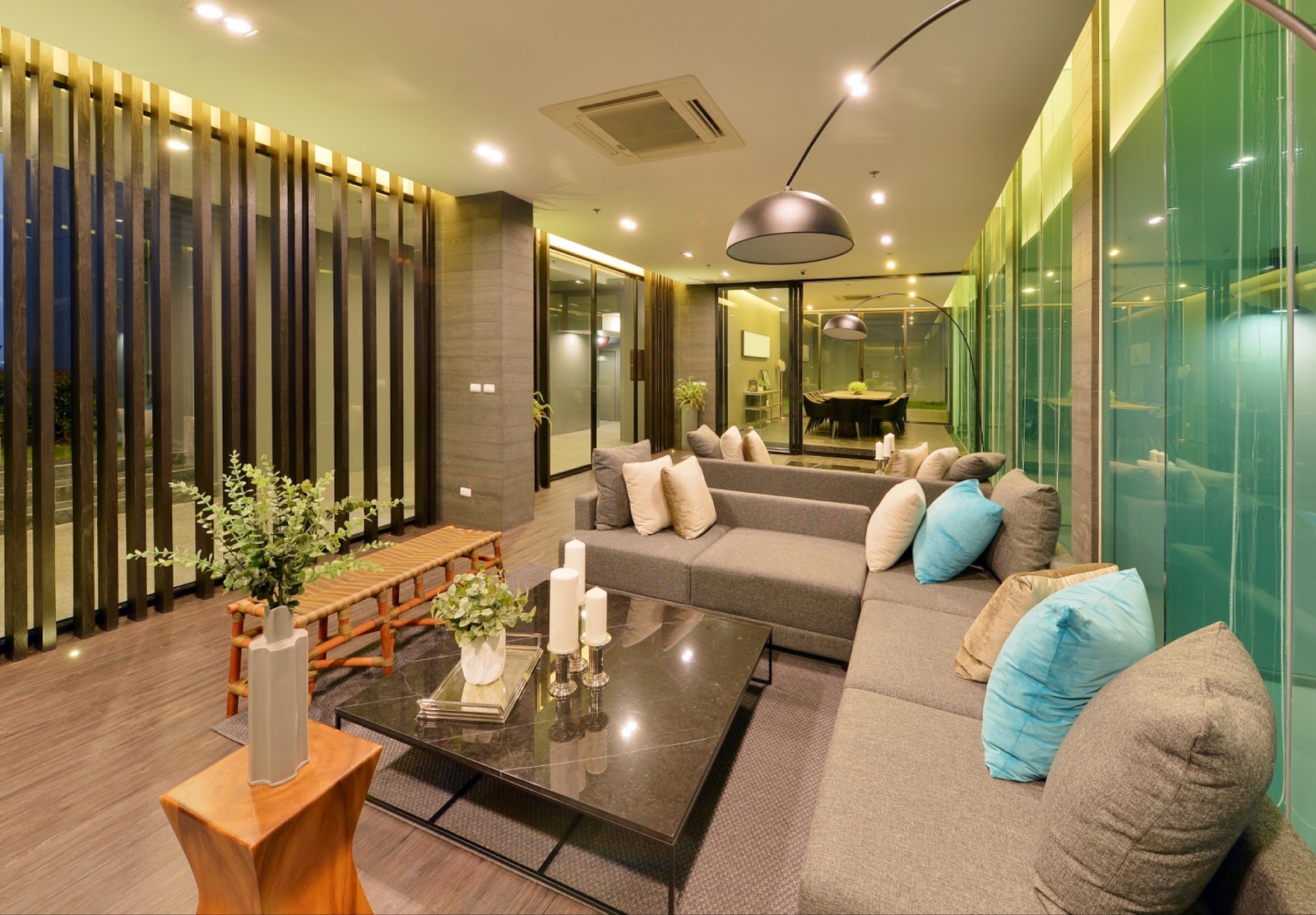
It Usually Begins Without a Clear Plan
Most projects don’t start with a perfect brief. Sometimes clients come in with screenshots. Sometimes just a rough idea like “something modern” or “more space”. Occasionally, they’re not even sure what they want yet, they just know they want to build or change something.
This is where architects come in early. Not to jump straight into design, but to figure things out first. What’s possible, what’s not, what might work better with a few adjustments.
It’s a quieter stage, but it matters more than people think.
More Than Just Design
Yes, there are drawings. Plans, layouts, visuals But behind that, there’s a lot that doesn’t get talked about as much.
An architect company in Singapore spends a significant amount of time dealing with regulations, site conditions, and technical details that don’t appear in presentations. These aspects may not seem exciting, but they are what prevent projects from running into problems later.
So while design is the visible part, it’s not the whole job.
If You Had to Break It Down Simply
|
Stage |
What’s Happening (In Reality) |
Why It Matters Later |
|
Early discussions |
Ideas are still unclear |
Helps avoid wrong decisions |
|
Design phase |
Plans take shape slowly |
Gives direction to the project |
|
Submissions |
Paperwork, approvals, revisions |
Keeps things compliant |
|
Coordination |
Talking to different teams |
Prevents confusion |
|
Construction |
Checking, adjusting, fixing issues |
Keeps quality on track |
It looks organised here, but in real life, these stages overlap. Things change, and everyone adjusts as they go.
The Design Process (In Real Terms)
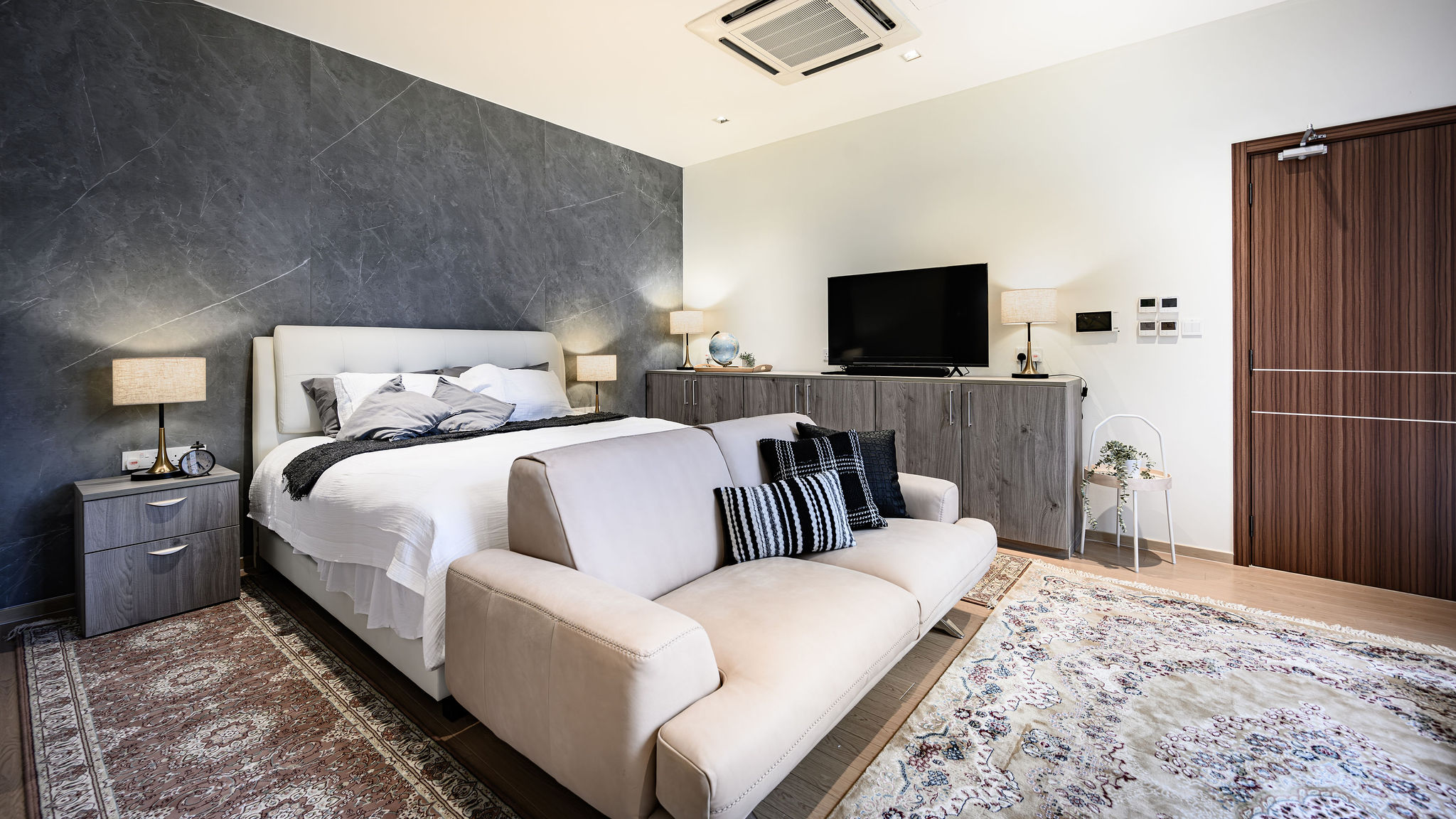
One thing that tends to surprise people, projects almost never go exactly the way they were first imagined. Budgets shift. Requirements change halfway through. Sometimes a design detail that seemed fine earlier needs to be reworked.
Experienced architects don’t get thrown off by this. They’re used to adjusting things without losing direction completely.
It’s less about sticking rigidly to a plan and more about keeping the project moving in the right direction.
A Big Part of the Job Is Just Coordination
Architecture isn’t done by one person sitting at a desk. There are engineers, contractors, consultants, and often separate design teams involved. Someone has to keep track of everything and make sure it all fits together.
For example, when working with interior architect and design teams, coordination early on helps avoid situations where interiors don’t quite match the structure. Fixing that later can get complicated.
So a lot of the work is simply about making sure things don’t clash—literally and figuratively.
Homes Are More Personal Than People Expect
Residential projects tend to be different from commercial ones. There’s more emotion involved, more personal preference.
That’s where high end residential architects usually take a slightly different approach. They spend more time understanding how people actually live, how they move around the house, what kind of spaces they enjoy, what they need day to day.
It’s not always obvious in the final drawings, but it shows in how the space feels once it’s built.
Spaces Are Changing, So Design Is Too
The way people use spaces has changed quite a bit. Homes double up as workspaces now. Layouts need to be more flexible than before.
This is where modern home design architects tend to think ahead a little more. Instead of locking spaces into one purpose, they leave room for change.
That could mean:
-
Open layouts that can be adapted
-
Rooms that serve more than one function
-
Designs that don’t feel restrictive over time
It’s a subtle shift, but it makes spaces easier to live in.
What Clients Actually Notice
From a client’s point of view, the benefits don’t always show up as big moments. It’s usually smaller things:
-
Fewer unexpected problems during construction
-
Clearer communication throughout the process
-
Better coordination between different teams
-
Spaces that feel practical once completed
These aren’t flashy outcomes, but they’re the ones that matter in the long run.
Why Their Role Matters
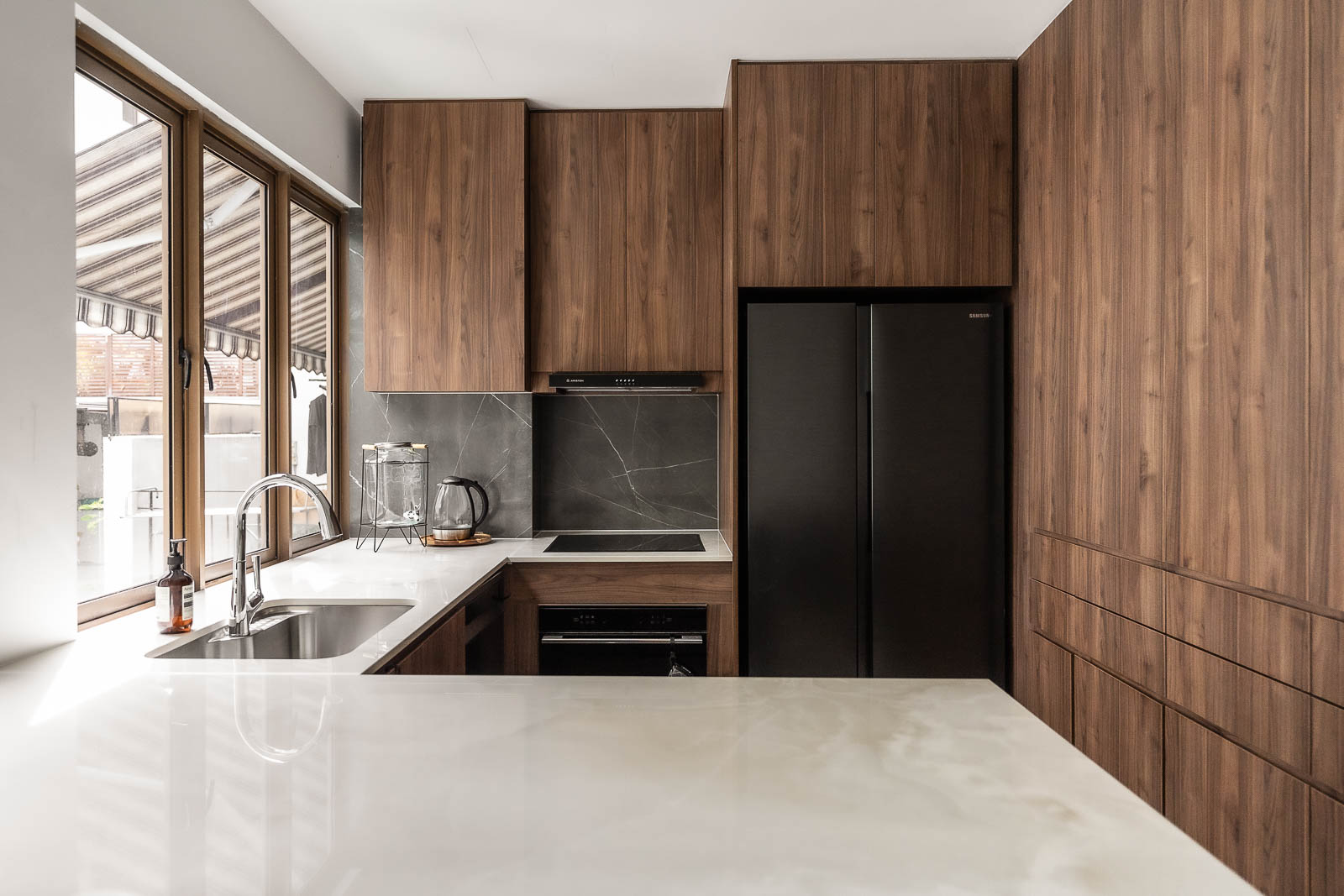
Without proper architectural involvement, projects can start to feel disjointed.
Things might still get built, but not always in the best way. Costs creep up. Adjustments happen too late. Spaces don’t quite work as expected.
Architects help lower that risk by not making everything perfect, but by finding problems early and keeping things in line.
Conclusion
The role of architects is often simplified because most of their work happens behind the scenes. What people see at the end is only a small part of the process. The planning, coordination, and problem-solving along the way are what really shape the outcome.
Landmark Architects Associate (LAA) approaches this process in a steady and practical way. Their team works closely with clients at every stage, from the first discussions to the final coordination, and they work with modern home design architects and specialists in interior architecture and design. The focus isn’t just on delivering a design, but on making sure the space works properly once it’s built.
FAQs
1. Do architects only design buildings?
No, they’re involved in planning, approvals, and coordination as well.
2. When should an architect be engaged?
Ideally at the very beginning, before major decisions are made.
3. Are architects involved during construction?
Yes, they usually check progress and make adjustments if needed.
4. Do they work with interior designers?
Yes, especially when projects involve interior architect and design elements.
5. Are all architects the same?
No, some focus on residential work, including high end residential architects, while others specialise in different areas.