 Tasselline | Latest Articles By Singaporeans, for Singaporeans Article Site for Singaporeans
Sustainability is a key aspect in current construction especially in a land scarce and environmental conscious country like Singapore. Property owners are increasingly looking for ways to develop homes and commercial buildings that consume less energy, reduce ecological footprint and stay comfortable over time. Sustainable architecture is not just about saving the planet. It’s also about creating better designs and using better materials. Knowing what’s trending now helps property owners make informed decisions that drive building efficiency, lower operating costs, and boost long-term value, while creating healthier environments for living, day-to-day.
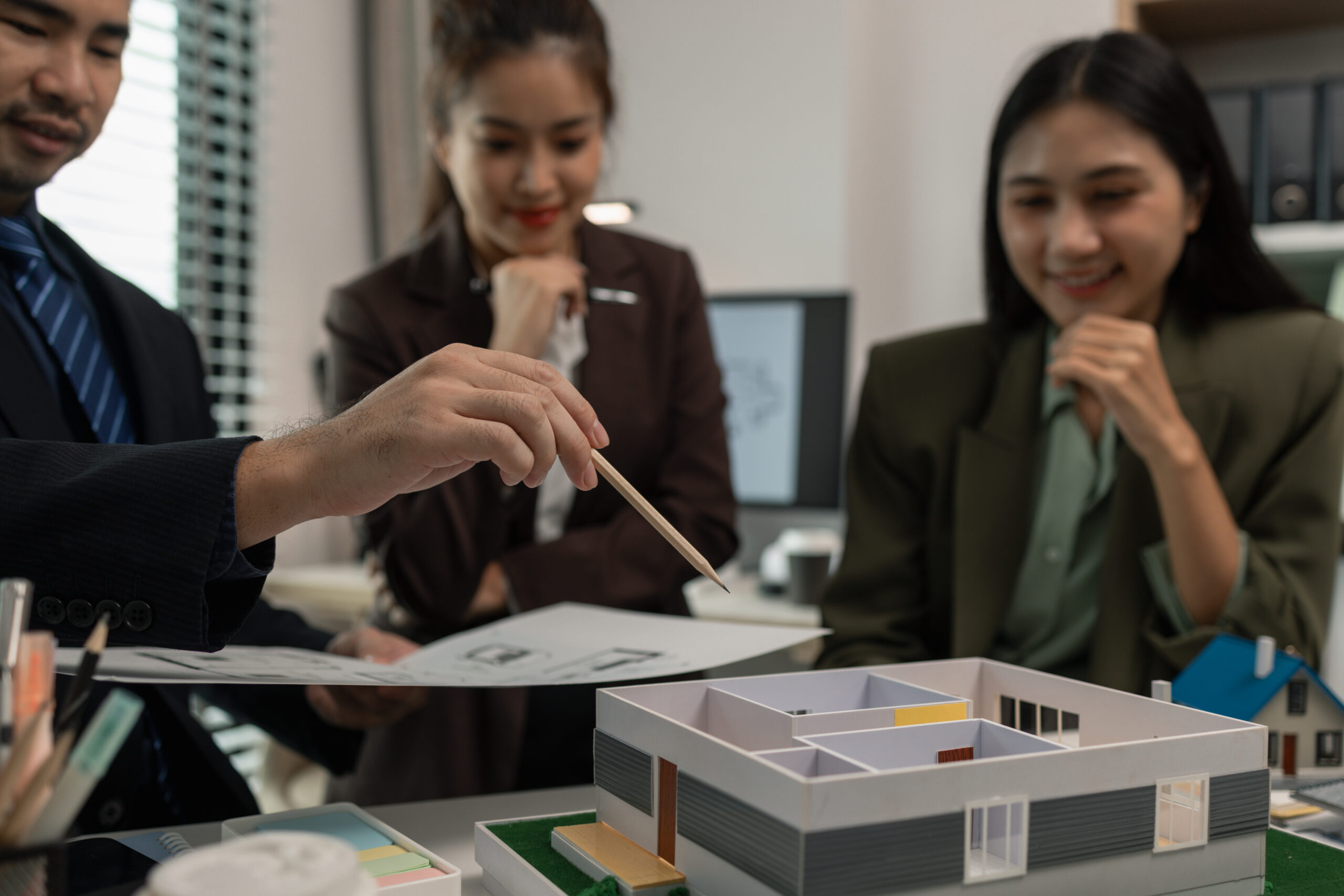
Why Sustainable Architecture Matters
Sustainability is a key ingredient to modern construction, especially in a land-constrained and environmentally conscious nation such as Singapore. More and more, property owners are looking for ways to build homes and commercial buildings that are less energy intensive, have a smaller environmental footprint and are comfortable over time. Sustainable architecture is about more than just saving the environment. It’s about better design. Better materials. By knowing what is happening today, property owners can make smart decisions that enhance building performance, decrease operating costs and increase long-term value, all while making healthier places to live every day.
Key Sustainable Architecture Trends
The construction industry continues to adopt solutions that improve efficiency without compromising design quality. Many of these trends are practical and can be incorporated into both new developments and renovation projects.
|
Sustainable Trend |
Long-Term Benefit |
|
Passive building design |
Reduces cooling requirements |
|
Energy-efficient materials |
Lowers operating costs |
|
Natural ventilation |
Improves indoor comfort |
|
Water-saving systems |
Conserves resources |
|
Green landscaping |
Enhances biodiversity and reduces heat |
These strategies demonstrate how thoughtful planning can deliver lasting value.
Designing with Natural Light and Ventilation
One of the simplest yet most effective approaches to sustainable architecture in Singapore is making better use of natural light and airflow.
Architects carefully consider building orientation, window placement, and internal layouts to maximise daylight while reducing heat gain. Proper ventilation also allows fresh air to circulate naturally, helping to reduce reliance on air-conditioning during suitable weather conditions.
This creates comfortable living spaces while lowering energy consumption over time.
Smarter Material Selection
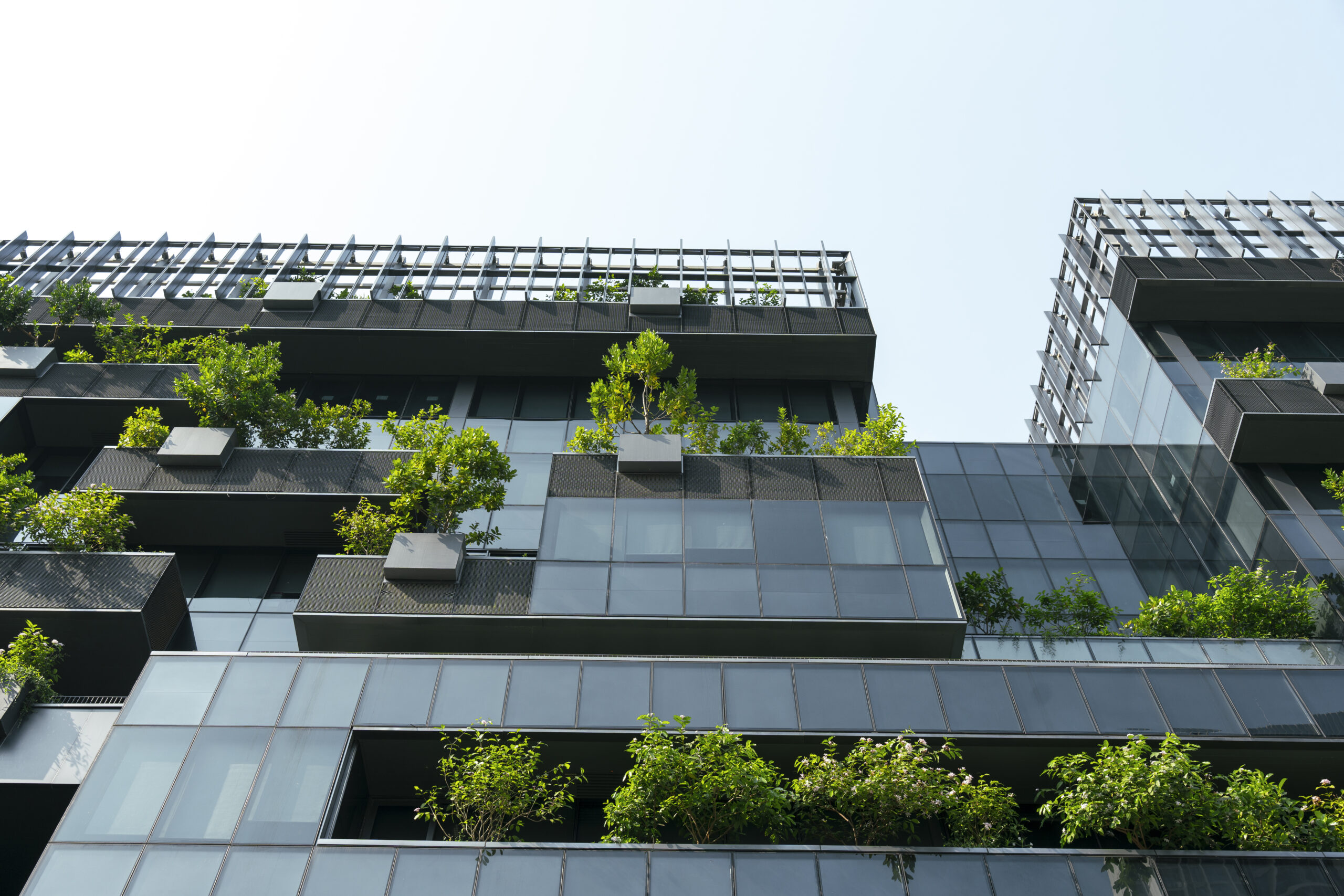
Many projects are now being built with better insulation, longer durability and less environmental impact. By choosing quality materials you can cut down on future repairs and boost energy efficiency.
Some examples are :
-
Construction materials recycled
-
Sustainably sourced wood
-
Low emission paint and coatings
-
High performance insulations
-
Exterior cladding durable
The choice of materials can lead to more responsible and cheaper construction.
Energy Efficiency Is Becoming Standard
Energy-efficient buildings are no longer limited to large commercial developments. Residential properties are also benefiting from technologies that reduce electricity consumption.
Popular features include:
-
LED lighting systems
-
Smart lighting controls
-
Energy-efficient glazing
-
Solar-ready roof designs
-
High-performance cooling systems
These improvements help property owners lower monthly operating costs while supporting broader sustainability goals.
Water Conservation Is Receiving Greater Attention
Water is still one of the most precious resources in the cities. Modern buildings don’t use water as wastefully – rainwater collection, water-efficient plumbing fixtures and landscaping that requires less watering.
These features help save a lot of resources over time, even if savings on an individual basis doesn’t seem like much.
Flexible Spaces Support Sustainable Living
Sustainability is not only about materials or technology. It also means creating spaces that will remain functional as needs evolve.
Flexible layouts mean less major renovation down the track and a longer lifespan for the building.
Examples are:
-
Multi purpose rooms
-
Flexible Workspaces
-
Family areas enlarging
-
Flexible storage options
Buildings that are more flexible to changing lifestyles in the future have fewer structural changes.
Green Building Design Supports Healthier Living
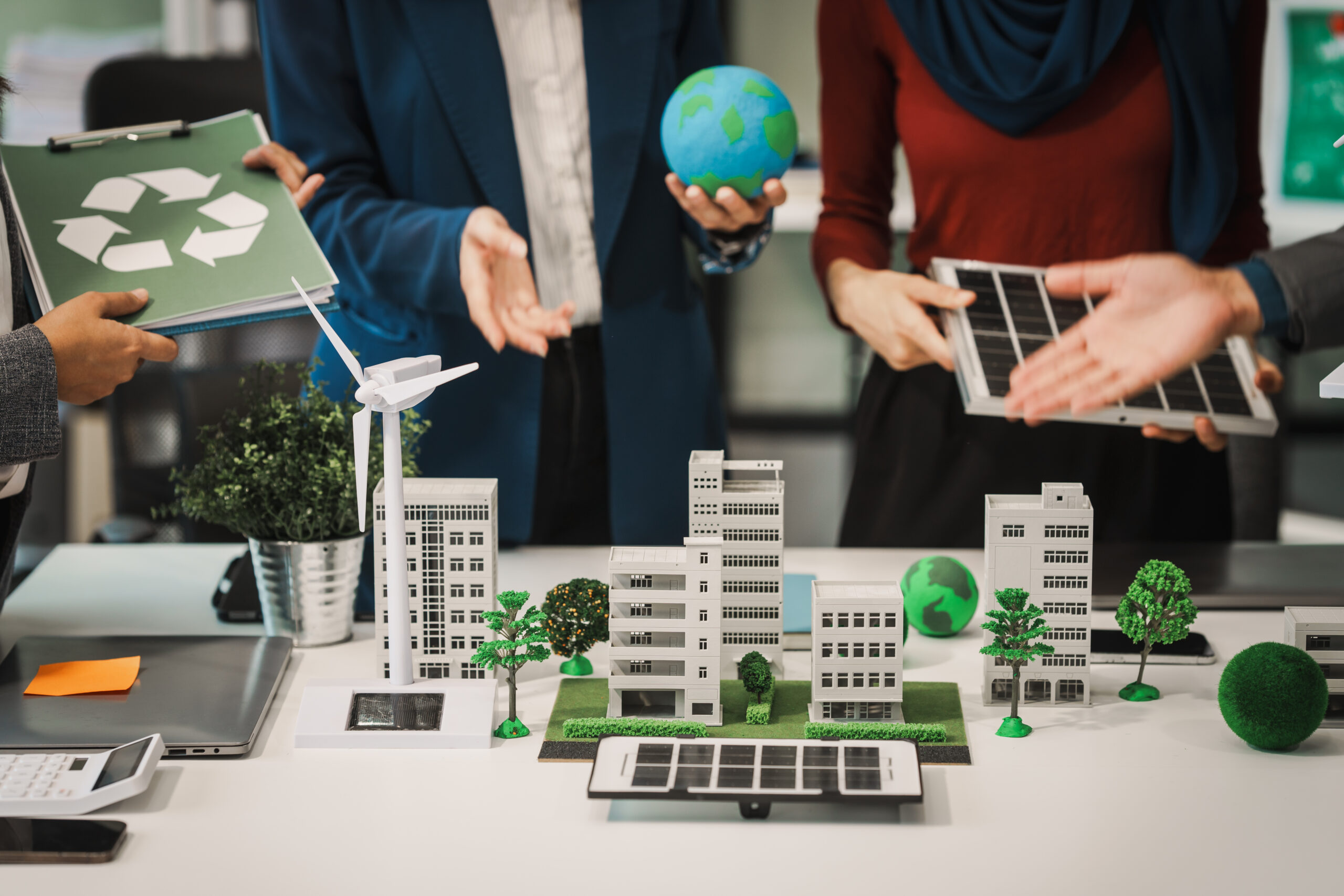
Contemporary green building design aims to create healthy spaces for people and the environment. Common design features include better indoor air quality, better access to daylight, quieter interiors, and thoughtful landscaping that connects people to nature.
These things can make it more comfortable and make places to live and work more fun .
Technology Is Supporting Sustainable Design
Digital technology is enhancing the performance of buildings. With smart systems, property owners can now keep tabs on energy usage, automate lighting, control indoor temperatures and spot maintenance issues before they become expensive repairs.
Technology is best when it’s designed into the building rather than added later.
The Growing Importance of Eco-Friendly Architecture
Property buyers and investors increasingly recognise the long-term advantages of eco-friendly architecture.
Buildings designed with sustainability in mind often provide:
-
Lower operating costs
-
Improved energy efficiency
-
Greater occupant comfort
-
Reduced environmental impact
-
Better long-term property value
As sustainability expectations continue to evolve, these benefits become increasingly important for future developments.
Conclusion
Sustainable architecture is helping to shape the future of real estate development in Singapore, combining ecological responsibility with practical everyday benefits. Good design, good resources, flexible arrangements and smart technologies all combine to make buildings perform better over time, creating healthier and more comfortable places to be. The property owners who start with sustainability from the beginning usually benefit from lower operating costs and higher long-term value.
For expert advice, Landmark Architects Associate (LAA) brings a wealth of experience to help you create practical, forward thinking projects. LAA is a leading architect company in Singapore that integrates sustainability into all its design processes to help clients create buildings that marry aesthetics, performance and environmental responsibility. LAA provides sustainable solutions whether creating a new project or improving an existing asset.
Frequently Asked Questions
1. Why is sustainable architecture important?
It helps reduce environmental impact while lowering energy consumption, improving comfort, and reducing long-term operating costs.
2. What is sustainable architecture in Singapore?
Sustainable architecture in Singapore focuses on designing buildings that respond effectively to the local climate while improving energy efficiency, environmental performance, and occupant well-being.
3. What is green building design?
Green building design incorporates environmentally responsible planning, efficient resource usage, and healthy indoor environments throughout a building’s lifecycle.
4. How does eco-friendly architecture benefit homeowners?
Eco-friendly architecture can lower utility bills, improve indoor comfort, reduce maintenance requirements, and enhance long-term property value.
5. Can existing buildings become more sustainable?
Yes. Renovations can introduce energy-efficient lighting, improved insulation, better ventilation, water-saving fixtures, and smart technologies that enhance overall sustainability.