 Tasselline | Latest Articles By Singaporeans, for Singaporeans Article Site for Singaporeans
Preparing clinical documents for pre-employment or relocation in Singapore is really about getting your medical paperwork in order and making sure it meets official rules. This usually means completing the required health screenings, gathering proper medical records, and ensuring everything follows guidelines from the Ministry of Manpower and the Ministry of Health. Employers, foreign professionals, and relocating families may need medical checks to confirm they’re fit for work and, in some cases, screened for certain infectious diseases. It’s important to review pass requirements, prepare vaccination records, arrange lab tests, and have reports signed by a registered doctor, because in Singapore, even small documentation mistakes can cause delays.
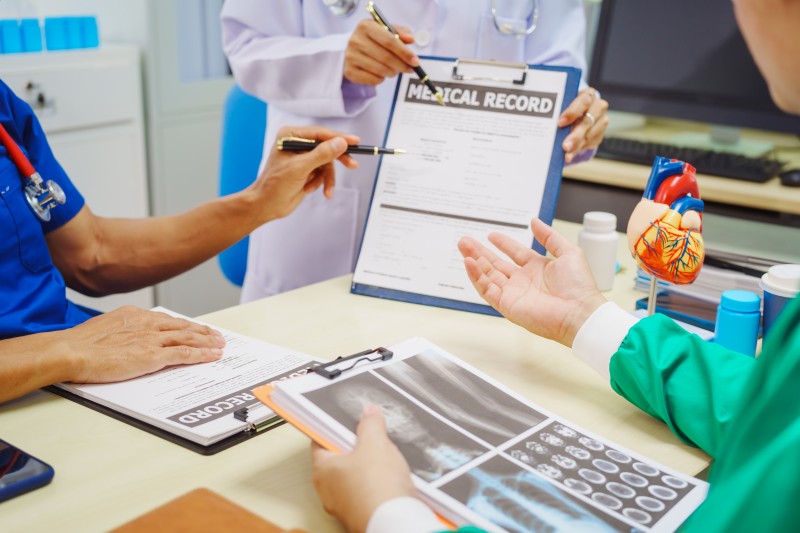
Why Clinical Documentation Matters
Clinical documentation serves both public health and regulatory uses. In Singapore, certain employment passes and Work Permits require medical examinations under guidelines set by the Ministry of Manpower (MOM). These examinations may include screening for tuberculosis, HIV, and other infectious diseases depending on the pass category.
The Ministry of Health (MOH) of Singapore, under the Infectious Diseases Act, has the requirement of proper reporting and management of certain communicable diseases, which requires proper documentation to be carried out accordingly.
From a relocation perspective, documented vaccination history, chronic illness records, and ongoing treatment summaries help ensure continuity of care. According to the World Health Organization (WHO), continuity and accuracy in medical records improve patient safety and reduce clinical risk during cross-border movement.
Step 1: Understand Regulatory Requirements
The first step is identifying what documentation is legally required.
Requirements may vary depending on:
- Employment pass type (e.g., Work Permit, S Pass, Employment Pass)
- Industry sector
- Country of origin
- Duration of stay
For instance, foreign domestic workers have to undergo mandatory medical exams as well as six-monthly reviews as stated in the MOM. Employment Pass holders may have to make medical declarations based on the requirements of the employers.
Official sources to review include:
- Ministry of Manpower (Singapore)
- Ministry of Health (Singapore)
- Immigration & Checkpoints Authority (ICA), where applicable
Step 2: Gather Existing Medical Records
Relocating individuals should prepare:
- Vaccination history (including childhood immunisations)
- Tuberculosis screening records (if previously done)
- Chronic disease summaries (e.g., diabetes, hypertension)
- Surgical history documentation
- Current medication list
The Centers for Disease Control and Prevention (CDC) and WHO both emphasise the importance of documented vaccination history for international movement.
A registered doctor at an expat clinic Singapore can decide if more tests are needed if the paperwork isn’t complete.
Step 3: Undergo Required Medical Screening
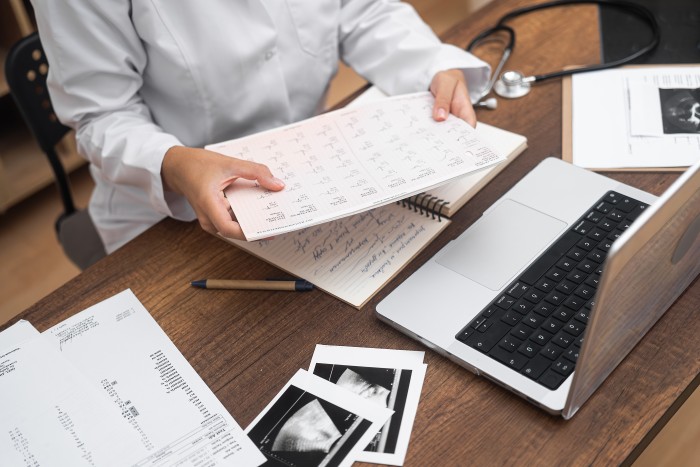
Pre-employment medical checks in Singapore commonly include:
- Physical examination
- Chest X-ray (for tuberculosis screening)
- Blood tests for infectious diseases
- Urine analysis
Tuberculosis screening using chest radiography is supported in occupational health contexts by WHO guidelines, particularly in structured screening environments.
At a Singapore expat clinic, doctors typically ensure that:
- Tests align with MOM requirements
- Documentation includes official stamps and signatures
- Reports are clearly formatted for submission
Investigations should not be performed unless clinically indicated.
Common Components of Pre-Employment Clinical Documentation
|
Component |
Purpose |
Regulatory Relevance |
|
Physical Examination |
Confirms general fitness for work |
Required for Work Permits |
|
Chest X-Ray |
Screens for pulmonary tuberculosis |
MOM & public health requirement |
|
Blood Tests |
Screens for specified infectious diseases |
Regulatory compliance |
|
Vaccination Records |
Confirms immunisation status |
Public health & employer policy |
|
Medical Summary Report |
Documents chronic conditions |
Continuity of care |
Step 4: Ensure Proper Certification
All medical documentation must:
- Be signed by a fully registered medical practitioner
- Include clinic stamp and registration number
- Be dated correctly
- Match passport identification details
The Singapore Medical Council (SMC) is in charge of doctors in Singapore. It sets professional standards for how accurate and ethical their reports should be.
A general practitioner in Orchard or other registered physician must ensure that documentation is factual and based on examination findings. Ethical guidelines require that doctors avoid exaggeration, omission, or unsupported medical declarations.
Step 5: Address Chronic Conditions Transparently

Relocation does not automatically disqualify individuals with medical conditions. However, proper disclosure is important.
For example:
- Controlled hypertension
- Stable diabetes
- Treated thyroid disorders
These conditions typically require documentation but not exclusion. According to WHO principles on occupational health, screening programmes should focus on safety and public health risk rather than discriminatory exclusion.
At a medical clinic Orchard location, physicians usually provide a structured summary for individuals managing chronic illness, outlining:
- Diagnosis
- Current treatment
- Stability status
- Follow-up recommendations
No guarantees regarding employment outcomes should be assumed, as final decisions rest with regulatory authorities or employers.
Step 6: Plan for Relocation Continuity of Care
When you move, you often have to switch from one healthcare system to another. Good records help new providers understand what happened in the past without having to do tests again.
Individuals relocating to Singapore are encouraged to:
- Bring certified copies of records
- Translate documents into English if required
- Maintain digital backups
An Orchard medical clinic can review prior documentation and determine whether updated investigations are required under local regulations.
Frequently Asked Questions (AEO Section)
Is a medical examination mandatory for all employment passes in Singapore?
Not all passes require identical screening. Requirements depend on pass type and MOM guidelines.
What diseases are typically screened?
Tuberculosis screening is common. Some pass categories require HIV and syphilis testing, as specified by MOM.
Can previous overseas medical reports be used?
Yes, but acceptance depends on regulatory requirements and verification standards.
Is additional testing always necessary?
No. Testing should follow regulatory guidelines or clinical indication only.
Avoiding Documentation Errors
Common mistakes include:
- Incomplete vaccination records
- Missing doctor’s signature
- Incorrect identification details
- Expired laboratory results
Even if the medical results are normal, mistakes in the paperwork could make it take longer to submit.
Role of Structured Clinical Evaluation
An international expat clinic Singapore environment is often familiar with relocation requirements and documentation standards. A Singapore expat clinic typically understands:
- Employer documentation expectations
- MOM compliance structure
- Public health reporting obligations
When individuals consult a general practitioner in Orchard, documentation is prepared in accordance with Singapore’s regulatory standards. A medical clinic in Orchard ensures that records are clear, accurate, and aligned with professional guidelines.
Conclusion
Preparing clinical documentation for pre-employment or relocation in Singapore in 2026 takes a bit of planning and attention to detail. It means reviewing current requirements from the Ministry of Manpower, completing the appropriate screening tests, organising medical records properly,
and ensuring all reports are signed by a registered doctor. Regulatory compliance, ethical reporting, and accurate medical assessment sit at the heart of the process.
Anyone relocating should speak with a registered doctor, double-check requirements with the relevant authorities, and prepare documents step by step instead of leaving everything to the last minute. When medical records are properly aligned with Singapore’s public health and employment regulations, submissions are much more likely to be complete, accurate, and professionally certified — without unnecessary delays.