 Tasselline | Latest Articles By Singaporeans, for Singaporeans Article Site for Singaporeans
Health checkups on a regular basis may help you to identify health-related problems that have not reached a critical stage. Many chronic illnesses can develop over a prolonged period and may not present with noticeable signs during initial development. Research from the BMJ has shown that regular health checks and preventative care may improve health outcomes in the long term and potentially reduce chronic disease complications (Krogsbøll et al., 2019). If you need help with preventative care, you can access it from Complete Healthcare International (CHI). Patients can access preventive healthcare support focused on early detection, family medicine, and long-term well-being.
1. Blood Pressure Screening
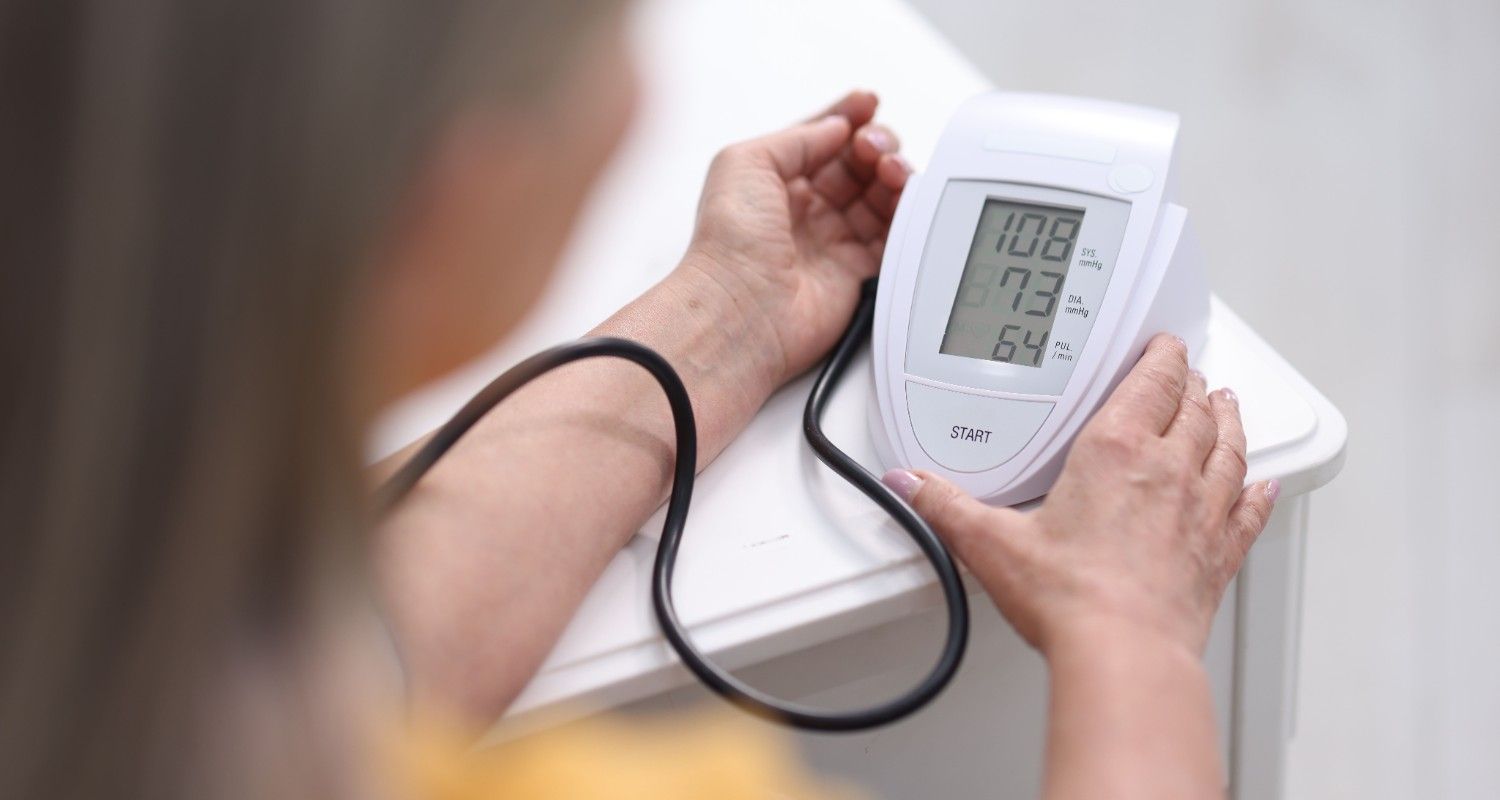
High blood pressure is one of the most common long-term illnesses and can lead to several issues such as stroke, heart disease and complications with kidney health. Many symptoms of high blood pressure are often not evident in the initial stages. Research published in the Journal of the American College of Cardiology demonstrates that managing blood pressure can significantly reduce the cardiovascular risks of a number of conditions (Whelton et al., 2018).
2. Blood Sugar Testing
Screening for blood sugar will assist the physician in diagnosing diabetes and pre-diabetes before any complications associated with these conditions. If left unchecked, diabetes can harm vision and the eyes, nerve health, kidneys and the cardiovascular system. Findings from the Diabetes Care journal indicate that managing blood glucose is linked with fewer diabetic complications over time (Nathan et al., 2009).
3. Cholesterol Testing
A cholesterol checkup allows the physician to monitor cardiovascular health via cholesterol, triglyceride and LDL and HDL levels. Long term, too high cholesterol levels can cause blockages in the arteries leading to heart disease. Research published in Circulation shows that cholesterol management may reduce the risk of cardiovascular events (Grundy et al., 2019). Patients with family histories of heart disease or lifestyle-related risks may benefit from regular testing.
4. Eye Health Examination
Eye checks help to detect signs of vision loss, infections and chronic eye conditions before significant and potentially irreversible damage occurs. Patients come to know signs such as irritation or red eyes, or continuous occurrences of pink eye, need prompt medical diagnosis. Some eye conditions develop very slowly and may have a significant impact on a person’s sight over a long period without noticeable symptoms until later development.
5. Sleep and Mental Health Assessment

Quality of sleep has a significant impact on physical and mental health. Patients suffering from prolonged sleep issues may need insomnia treatment in order to improve concentration, energy levels and day-to-day well-being. Prolonged poor sleep may also increase the risk of depression, fatigue and a host of cardiovascular diseases.
6. Persistent Headache Evaluation
A persistent headache for days should never be overlooked and can be much more serious if it increases in severity or becomes a more recurring problem. While headaches can often be attributed to stress and tension, there may be a need to rule out other potential underlying causes and issues. A Lancet Neurology publication on recurring headache disorders demonstrates they have an impact on patients’ quality of life (Stovner et al., 2007) and should therefore always be addressed during yearly medical assessment to prevent any additional problems.
7. Respiratory and Lung Function Checks
Respiratory assessments help evaluate breathing health and possible lung-related conditions. Patients who get a chronic cough may require medical review to identify possible causes such as asthma, allergies, infections, or reflux disease. A study published in the European Respiratory Journal states that in some cases, chronic cough can be a symptom of lung conditions that require long-term management (Morice et al., 2020).
8. Cancer Screening
Health checks should include screening, which is vital in detecting and identifying cellular changes before they develop into serious diseases such as cancer. Recommendations for specific cancer screenings will vary based on your age, family history and any relevant medical risks or health conditions you may have. Many types of cancer have significantly improved long-term survival rates due to advances in early detection and diagnosis. This is why many physicians will recommend that you attend an appropriate screening. Examples include cervical, breast and prostate checks.
9. Body Weight and BMI Assessment
Maintaining a healthy weight is crucial for health as a whole. High levels of obesity can cause increased risk factors for heart disease, diabetes and joint problems. It is also important to note any spontaneous changes to body weight. You could discuss this with your doctor, who may suggest that you undertake a BMI test. The results can then help determine the lifestyle and health changes you need to make for future wellness.
10. Vaccination and Immunisation Review

Booster vaccinations will vary from patient to patient based on the factors listed above and how many booster vaccinations you are up to. During a yearly check-up, you will have the opportunity to discuss with your doctor whether there are any relevant vaccinations required or if your immunisations are up-to-date.
Common Annual Health Checks and Their Purpose
Health Check |
Main Purpose |
Possible Benefit |
Blood pressure screening |
Cardiovascular monitoring |
Early hypertension detection |
Blood sugar testing |
Diabetes monitoring |
Reduces diabetic complications |
Cholesterol testing |
Heart health assessment |
Identifies cardiovascular risks |
Eye examination |
Vision and eye health |
Detects pink eye and other conditions |
Respiratory assessment |
Lung function review |
Identifies causes of chronic cough |
Why Annual Health Checks Are Important
- Supports the early detection of disease
- Allows doctors to monitor any existing chronic illnesses
- Encourages and allows for preventative health practices
- Helps identify any lifestyle-related health risks
- The health check ensures you are aware of any potential problems with your health
- May help to prevent any headaches that last for days
- Early intervention with insomnia treatment
- Encourages you to become more aware of your health
Preventive Healthcare Supports Long-Term Wellbeing
Preventative care can help you to monitor the overall health of your body and ensure that any signs of health problems can be identified before they progress too far. Most chronic illnesses respond well to early diagnosis. Annual health checks also ensure that if you have any issues, such as any headaches that have persisted for days, breathing or chest-related issues or concerns over sleep or mood, you can discuss them with your doctor or nurse and work together to provide yourself with the highest level of well-being.
Book Your Annual Check at CHI Health Today
Annual health checks are essential when practising preventative care, and by regularly monitoring your health, you can significantly improve the overall wellness of your health and how well chronic conditions are managed. The health checks allow for any identified issues, such as prolonged headaches, chronic cough, any symptoms you are experiencing of pink eye or issues with sleep, to be thoroughly evaluated and managed before they lead to other issues. Complete Healthcare International (CHI), the international medical clinic in Orchard continues supporting preventive healthcare and long-term wellness through accessible medical care, regular screenings, and continuous patient support.