 Tasselline | Latest Articles By Singaporeans, for Singaporeans Article Site for Singaporeans
When people start a building project, it’s easy to get excited about how things will look at the end. But what often gets overlooked is the planning stage, and that’s where most problems are either solved or quietly created. Professional architectural planning matters because it sets the direction for everything that follows. It helps avoid costly mistakes, keeps the project realistic, and ensures the final result actually works in day-to-day life. In Singapore especially, working with a reliable architect company in Singapore makes a noticeable difference, simply because there’s very little room for error when it comes to space and regulations.
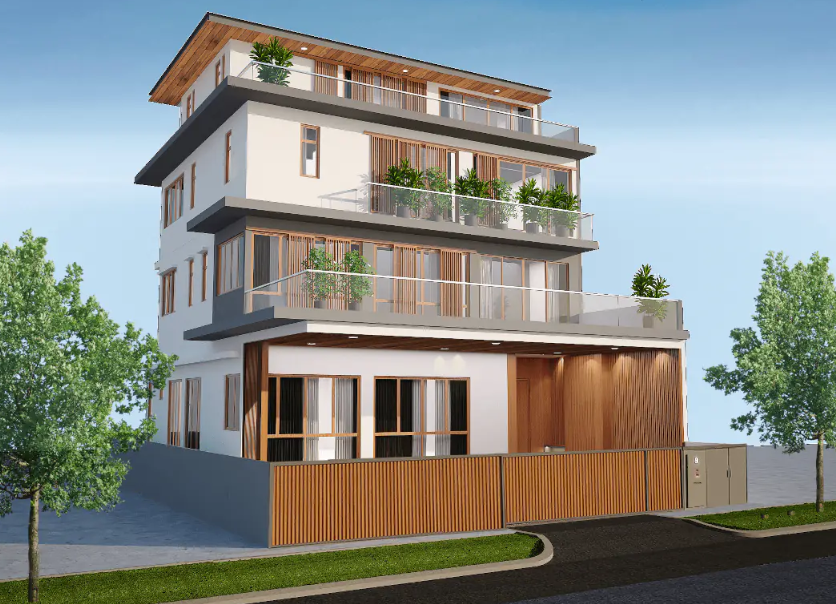
It’s Not Just About Drawings
A lot of people think architectural planning is all about clean floor plans and polished visuals, but in reality, it’s a far more dynamic process—layered, evolving, and often a little messy in the best possible way.
It involves thinking through how a building will function long before construction begins. Where natural light comes in. How people move through spaces. What might become a problem later if it’s ignored now.
These aren’t things you can easily fix once construction starts. That’s why planning isn’t just a stage, it’s the foundation everything else depends on.
Where Things Go Wrong Without Proper Planning
There’s a pattern that shows up in projects that skip or rush this phase. It usually starts small, then snowballs:
-
Layouts that look fine on paper but feel awkward in real life
-
Budget estimates that slowly spiral out of control
-
Last-minute changes that delay everything
-
Approval issues that could’ve been avoided
None of these are unusual. They just tend to happen when decisions are made too late or without enough clarity.
Working with an experienced architect company in Singapore helps reduce these risks early, before they turn into bigger issues.
A Simple Comparison
|
Situation |
Without Proper Planning |
With Proper Planning |
|
Budget |
Keeps changing |
More predictable |
|
Timeline |
Often delayed |
Moves steadily |
|
Design |
Looks good, feels off |
Works in real life |
|
Approvals |
Uncertain |
Clear and prepared |
|
Long-term use |
Compromised |
Thought through |
It’s not that problems disappear completely, but they become manageable.
The Value of Experience (You Notice It Later)

One thing clients often realise halfway through a project is how much experience actually matters.
Professionals like high end residential architects don’t just focus on how a home looks. They’ve seen what works, what doesn’t, and where people tend to regret certain decisions later. That perspective shapes the planning process in ways that aren’t always obvious at the start but become very clear over time.
It’s the difference between guessing and knowing.
When Architecture and Interiors Don’t Talk
Another common issue is when architecture and interiors are treated separately. The structure gets designed first. Interiors come later. And suddenly, things don’t quite align—lighting feels off, furniture placement is awkward, or spaces don’t flow naturally.
That’s why interior architecture and design need to be part of the conversation early on, not after everything is already fixed.
When both are considered together, the result feels more complete. Less forced. More natural.
Planning for How People Actually Live
Homes today aren’t used the same way they were ten or fifteen years ago. Work, rest, and daily routines have all shifted.
That’s where modern home design architects bring a slightly different approach. They don’t just design for what’s needed today, but also for what might change.
Maybe a space needs to double as a home office. Maybe layouts need to feel more open but still practical. Maybe flexibility matters more than formality.
These decisions don’t happen during construction, they happen during planning.
The Cost of “Fixing It Later”

There’s a phrase that comes up quite often in projects: “We’ll sort it out later.”
It sounds harmless, but it usually leads to:
-
Higher costs
-
More time spent adjusting things
-
Compromises that weren’t originally intended
In most cases, fixing something later is always more complicated than getting it right earlier. That’s really what professional planning helps avoid.
Why It Matters Even for Smaller Projects
There’s a misconception that detailed planning is only necessary for large or high-budget developments.
In reality, smaller projects often need it even more. There’s less margin for error, and every decision has a bigger impact.
Having a clear plan, even for something modest, makes the process smoother and less stressful overall.
Conclusion
In most building projects, the planning phase doesn’t get much attention, but it’s the part that quietly determines how everything else will unfold. A well-planned project tends to feel smoother, more predictable, and ultimately more satisfying. It’s not about making things perfect, but about reducing the chances of things going wrong.
Landmark Architects Associate (LAA) approaches this stage with that mindset. As a trusted architect company in Singapore, their team focuses on getting the fundamentals right from the beginning like bringing together experience, practical thinking, and a clear understanding of how spaces are actually used. By considering elements like interior architecture and design alongside architectural planning, they deliver projects that don’t just look good, but genuinely work over time.
FAQs
1. Is architectural planning really necessary for small homes?
Yes, especially for smaller spaces where every detail matters more.
2. Does planning take a long time?
It can take time, but it usually saves much more time later.
3. Can changes still be made after planning?
Yes, but fewer changes are needed when the planning is done properly.
4. Why is it important in Singapore specifically?
Because regulations are strict and space is limited, so mistakes are harder to correct.
5. Do architects handle everything during planning?
They coordinate with different professionals to make sure everything aligns properly.