 Tasselline | Latest Articles By Singaporeans, for Singaporeans Article Site for Singaporeans
When people hear about war or political conflict, fuel supply chains are not usually the first thing that comes to mind. Yet LPG is one of the commodities most quietly affected by global instability. It moves through ports, shipping lanes, storage hubs, and international contracts that depend heavily on predictable trade. Once conflict disrupts one part of that chain, the impact can spread faster than expected. Freight costs rise, insurance becomes expensive, routes shift, and buyers react before shortages even happen. Whether the disruption begins in the Middle East, Eastern Europe, or major trade corridors, LPG markets often feel the effect almost immediately, shaping supply reliability and pricing worldwide.
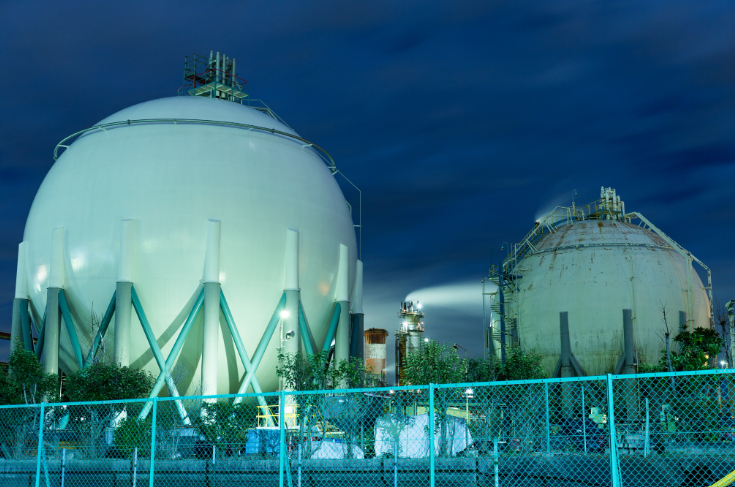
Fuel does not usually move in isolation. And even when LPG is used domestically, in homes, restaurants or factories, the beginning of the journey is often well away from national borders. Production can be in one region, storage in another and final delivery in yet another. That global dependence is what makes LPG particularly sensitive during geopolitical stress.
LPG is not like consumer goods that can be easily redirected. Transport and storage of LPG is tightly controlled. Delays can be more than just a nuisance. A late shipment of cargo affects timing of inventory and planning decisions as well as market confidence.
Why War Changes More Than Borders
Modern conflicts often reshape trade before they reshape territory. Markets move quickly when tensions between militaries rise. Ports could reduce operations, shipping insurers could increase premiums and goods companies could avoid riskier routes altogether. Even in the absence of direct attacks on fuel facilities, uncertainty alone can alter the way LPG is transported.
This matters because global energy systems rely on trust as much as infrastructure. If traders believe a region is unstable, buying behavior changes. Importers may stock up earlier. Suppliers may look for alternate shipping paths. Prices can move upward long before a genuine shortage appears.
That broader uncertainty often affects LPG gas in Singapore, especially because imported energy markets remain closely tied to international shipping conditions.
The US–Iran Tensions and Why Markets Are Watching Closely
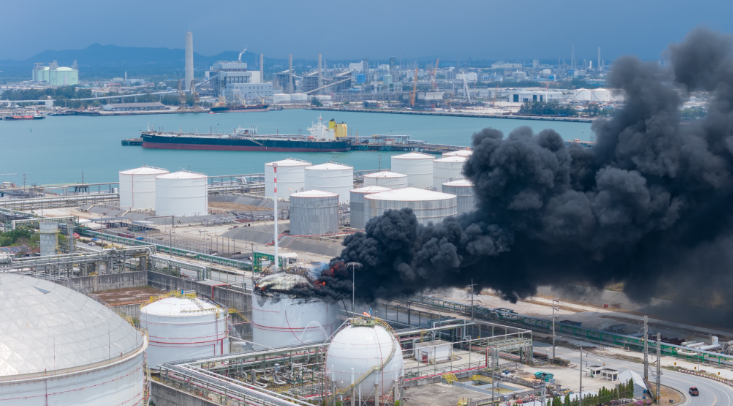
Recent military and political tension involving the US and Iran has once again drawn attention to the Middle East’s role in global fuel transport.
The Strait of Hormuz remains one of the most critical shipping passages in the world. A large share of oil and gas cargo moves through that narrow corridor. If conflict, naval pressure, or regional escalation threatens shipping there, markets usually react quickly.
What matters here is not only physical disruption. Sometimes the strongest effect comes from anticipation. Freight companies may slow scheduling. Insurance providers may adjust costs. Buyers may seek backup contracts. Even when cargo continues moving, uncertainty can push fuel planning into defensive mode.
That reaction often influences broader Singapore LPG gas expectations because global pricing rarely stays isolated to one region.
Red Sea Pressure and Longer Shipping Routes
In recent years, instability near the Red Sea has added another layer of complexity. Shipping operators facing maritime risk often reroute vessels around longer paths to reduce exposure. While this protects cargo, it also creates slower delivery windows and higher operating costs.
For LPG, timing matters. Longer travel times can affect:
- Port scheduling
- Storage planning
- Freight costs
- Inventory turnover
- Delivery forecasting
What appears to be a regional security issue often becomes a logistics issue far beyond the conflict zone.
Russia–Ukraine and the Ripple Across Fuel Markets
The Russia–Ukraine war changed more than European energy planning. It forced governments and buyers to reconsider where energy should come from, how dependent supply chains should be, and what happens when trade becomes restricted.
Sanctions and political barriers caused major sourcing shifts. Buyers moved toward alternative suppliers, which increased pressure on already busy transport systems.
That created congestion, pricing volatility, and wider competition for available fuel movement. LPG was not exempt. Because trade networks are interconnected, disruption in one fuel category often affects shipping behavior across others.
A Simple Look at How Conflict Touches LPG Supply
|
Global Disruption |
Immediate LPG Effect |
Longer-Term Impact |
|
Shipping risk |
Route delays |
Higher freight cost |
|
Sanctions |
Supply rerouting |
Pricing pressure |
|
Port congestion |
Slower unloading |
Inventory stress |
|
Insurance increases |
More expensive transport |
Reduced margin stability |
This chain reaction is why energy markets often react faster than the general public expects.
Why Prices Rise Even Before Shortages
Many people assume fuel prices rise only when supply becomes scarce. In reality, uncertainty often drives pricing before actual shortage begins.
A conflict can trigger precautionary buying. Importers may secure larger contracts. Shipping firms may reduce route frequency. Freight insurance may become more expensive. All of this pushes operational costs upward.
That is especially relevant for industries working closely with an LPG gas supplier in Singapore, where planning often depends on stable international flow.
In practical terms, businesses are not always paying more because fuel disappeared. Sometimes they are paying more because the supply chain became harder to trust.
How Singapore Feels Global LPG Pressure
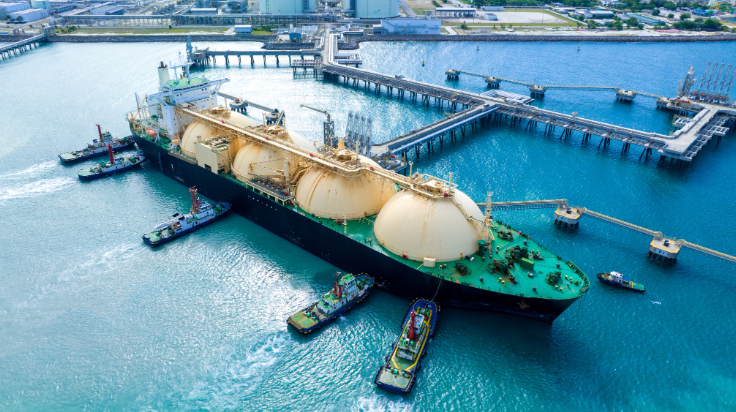
Singapore is well known for trade efficiency, but no logistics hub operates independently from the wider market. Because LPG imports rely heavily on regional and international movement, disruptions elsewhere can influence local planning.
A delayed vessel in one corridor may affect terminal scheduling. Higher freight costs can shape broader procurement decisions. Insurance shifts can influence supplier pricing structures.
This is why businesses often monitor Singapore LPG gas supplier trends alongside global energy developments. Fuel strategy has become international by default.
How Businesses Are Adjusting
Instead of reacting only when shortages happen, many businesses now plan earlier. Some diversify supply relationships. Others improve storage forecasting or lock in longer-term purchasing strategies. Energy resilience is becoming part of operational planning.
Even recognised systems such as esso LPG gas in Singapore remain connected to the same wider trade network. No supplier operates outside the global movement.
The lesson is simple: fuel reliability is now deeply tied to geopolitics.
Conclusion
As wars, trade disputes, and shipping risks continue to reshape fuel movement, stable LPG access has become more important than ever. Businesses and households need supply partners that understand both local delivery needs and wider market uncertainty. Yew Lee Heng LP-Gas Trading Pte Ltd remains a trusted partner to customers in Singapore’s evolving energy landscape, with reliable service, strong supply coordination and a wealth of practical experience in managing LPG needs. If you want trusted expertise in LPG gas in Singapore, then reliable planning often begins with working with an experienced local provider.
FAQs
1. Why do wars affect LPG prices?
Because wars can disrupt shipping routes, raise freight costs, and increase market uncertainty.
2. Does the US–Iran situation impact LPG supply?
Yes. Tension near key shipping routes can affect transport confidence and pricing behavior.
3. Is LPG directly linked to global trade?
Very much so. LPG depends on international shipping, storage, and coordinated distribution.
4. Why can prices rise without a real shortage?
Markets often respond to risk before the supply is physically disrupted.
5. Can businesses reduce fuel disruption risk?
They can improve resilience through better supplier planning, forecasting, and diversified sourcing.