 Tasselline | Latest Articles By Singaporeans, for Singaporeans Article Site for Singaporeans
The Singaporean architects work has changed to a great extent with regard to the transformation in lifestyles, urban congestion, and demands of the environment. The design of residential buildings is no longer seen as an extreme of visual beauty and functionality. It has come to imply flexibility, sustainability and long-term performance. Singapore professionals in architecture work under a stringent regulatory environment as they respond to the increase in demand by homeowners. Minimal land supply has promoted innovative spatial development strategies and living upwards. This trend illustrates how the architects in Singapore are transforming the meaning of modern living in a small and highly developed urban area.
The Reaction to Urban Density and Land Scarcity
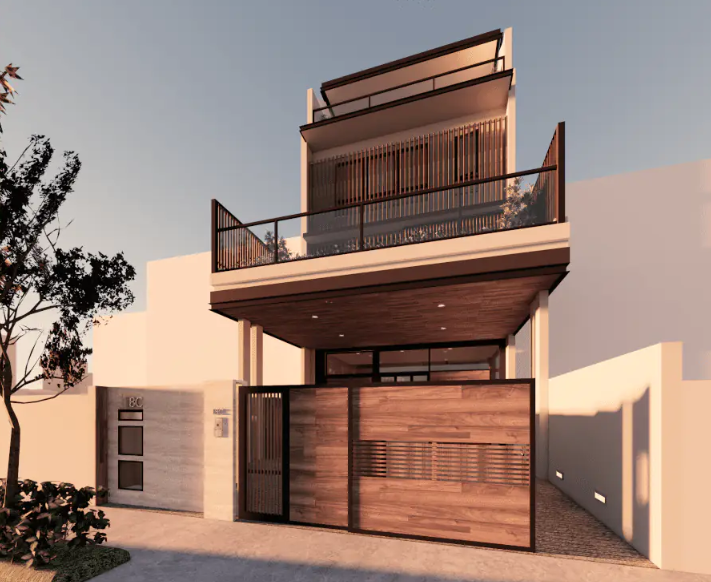
The scarcity of land supply in Singapore has compelled residential architecture to focus on efficiency. The architects tend to construct upwards instead of horizontally and make the best use of each square metre of the space. Small plots must have smart zoning to ensure privacy and utility. Dotted with courtyards, light wells, and inner holes are usually added to promote ventilation and penetration of daylight. The measures minimise the use of artificial cooling systems and enhance comfort. The high-end residential architects are important in moderating the density and liveability by means of sophisticated spatial planning.
The Rise of High-End Residential Architects
The demand for custom-made houses has grown progressively in the segment of the landed property. Architects in the high-end residential sector are reacting to this demand with designs that are more focused on proportion, natural light and environmental sensitivity. Luxury is currently characterised by careful planning and not vanity. Characteristics include double-volume ceilings, clean facades, and landscaped changes in between the indoors and the outdoors. Advanced building technologies are also incorporated by the high-end residential architects in order to enhance their performance and durability. This strategy portrays a mature perception of long-term residential value.
Combining Interior Architect With Design
Such cooperation among the structure, interior architect and design has become the key to the current residential projects. Most firms do not split architectural planning and interior particulars, but combine the two fields during the conceptual phase. The planning of an interior architect and designer affects circulation flow, lighting scheme, and optimisation of storage. This coordination also provides visual consistency and minimises expensive after-construction costs. Unified design strategies are what provide material continuity and functional coherence. Homeowners enjoy the service of spaces which are not scattered.
Climate Responsive Modern Home Design Architects
The residential architecture of Singapore is defined by its practical qualities due to the tropical climate. Passive cooling techniques that are applied in the modern home design include shaded overhangs and cross ventilation. There is a choice of materials which are durable and resistant to heat. Landscaped terraces and green roofs also enhance environmental performance, besides enhancing aesthetics. The current architects of home design consider rainwater management and the sun orientation as well in the initial stages of designing homes. Such actions minimise the use of energy and help in living sustainably within the crowded neighbourhoods.
Balancing Regulation with Innovation
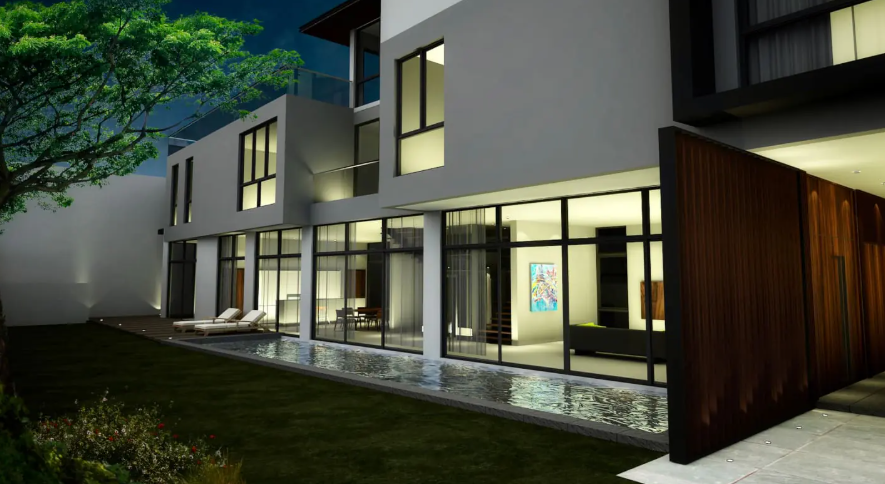
In Singapore, residential projects are run by comprehensive planning laws. The Singapore architects are required to match the design proposals with height regulations, setback regulations and submission regulations. Adherence is not considered an anthropomorphism but is incorporated in the initial conceptual thinking. In spite of these measures, innovation keeps coming out in terms of facade articulation and spatial configuration. New detailing can also be used to characterise the originality of every project. This is the discipline and creativity that make the work of architects in Singapore stand out in the regional furniture.
Sustainability as a Design Priority
The modern residential architecture has come to be characterised by a sense of environmental awareness. Residential architects now use more energy-efficient systems and environmentally friendly materials due to high-end residents. The studies of solar orientation play a role in setting the window position and shading apparatus. Overall planning is combined with sustainable water management systems. Material durability as well as minimised waste is also made on interior architecture and design decisions. These are the measures that make the homes efficient and durable.
Coordinated Professional Collaboration
Contemporary residential works will demand the cooperation of architects, engineers and consultants. The work of interior architects and design teams is in collaboration with structural and mechanical specialists to ensure consistency. In the modern home design, the architects of detailing organise the detailing to make sure that it is technically accurate during the process of construction. Open communication lowers delays and unforeseen variations in the projects. Formal teamwork enhances quality control as well as schedule management. This combined operation reinforces results in complicated residential projects.
Comparison of the Old and the New Residential Approaches
|
Design Component |
Conventional Methodology |
Contemporary Methodology |
|
Spatial planning |
Compartmentalisation rooms |
Open and flexible layouts |
|
Climate Strategy |
Reliance on mechanical cooling |
Passive cooling integration |
|
Interior coordination |
Isolated interior process |
Blended interior architect and design |
|
Sustainability |
Limited consideration |
Whole environment planning |
Key Factors Shaping Modern Living Spaces
-
Greater need to have high-end residential architects in landed developments.
-
Close collaboration of the interior architect and the designer in planning.
-
Eco-savvy solutions guided by progressive home design architects.
-
Architects in Singapore have developed efficient spatial strategies.
Conclusion
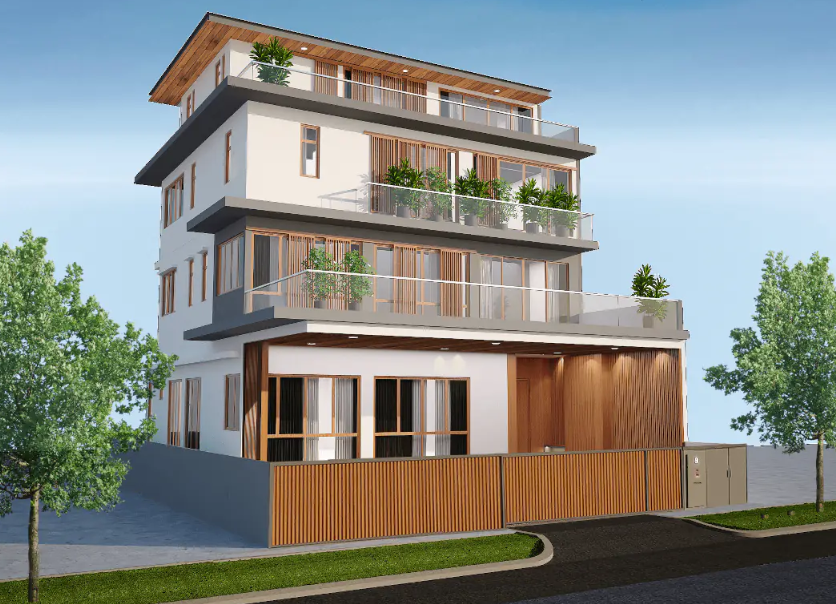
The revolution by architects in Singapore still has an impact on the way homes are envisioned and built. Residential architects are at the forefront of designing residences that focus on experience, efficiency and environmental focus. Designing integration, interior architecture and design is the topic that guarantees the integration of structural intent with lifestyle functionality. Contemporary architects of home designs are disciplined in their response to climatic and regulatory realities. Firms like Landmark Architects Associate have been working in this dynamic architectural environment, which has helped in the development of residential buildings in Singapore by adding structured design skills in Singapore. Together, architects in Singapore are transforming the modern living spaces in a manner that is global yet local.