 Tasselline | Latest Articles By Singaporeans, for Singaporeans Article Site for Singaporeans
Most people don’t think about their fire protection setup until something goes wrong. It just sits there in the background, and as long as nothing happens, it feels like everything is fine. But the reality is, these systems don’t stay effective forever. Over time, parts wear out, technology falls behind, and what once worked well may no longer respond the way it should. An outdated system might miss early warning signs or react too slowly when it matters most. Knowing what to look for can help prevent bigger problems later and keep both people and property properly protected.
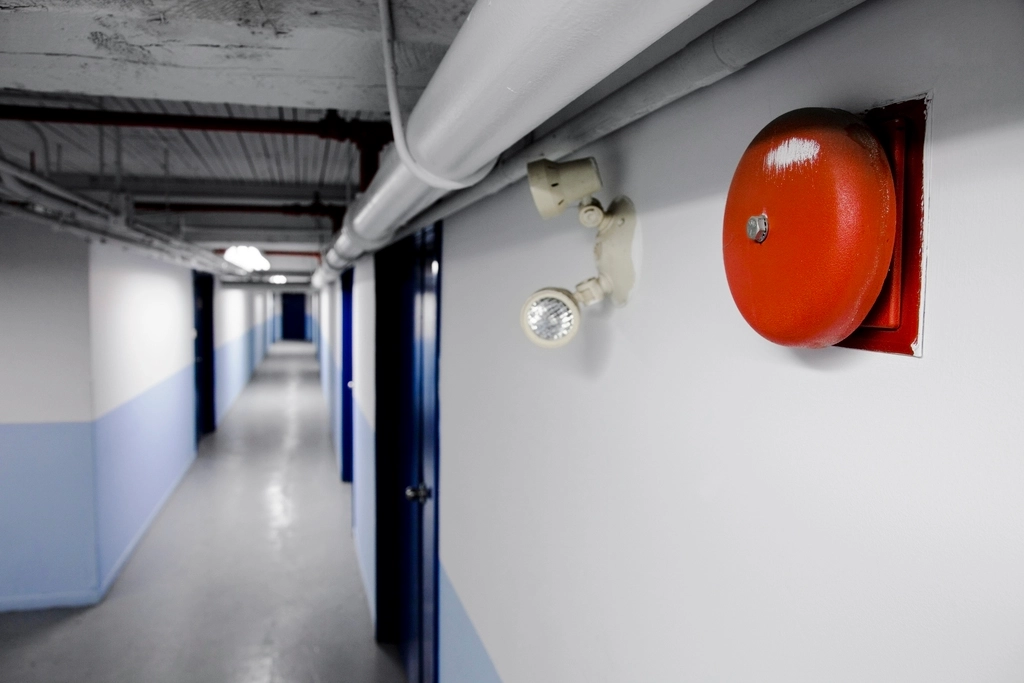
Why This Matters More Than People Think
It’s easy to assume that if a system passed inspection years ago, it should still be okay today. But buildings change. Usage changes. Even the way fires are detected and controlled has improved quite a bit.
-
So the question is not just “does it work?”
-
It’s more like “will it work when you actually need it?”
That difference is where most risks come in.
1. The Alarm Either Goes Off Too Much or Not At All
This is usually the first thing people notice. If a fire alarm system keeps going off for no real reason, people stop taking it seriously. And that’s dangerous. The opposite problem is worse. If it reacts too slowly, it defeats the whole purpose.
Older smoke detectors often struggle with accuracy. They either overreact to minor triggers or fail to pick up early warning signs.
A reliable system should feel consistent. Not too sensitive, not too slow. Just dependable.
2. You Can See the System Ageing
Sometimes the signs are right in front of you. Walk around and take a closer look. You might notice things like rust, dust, or parts that just don’t look right anymore.
A few common things to watch for:
-
Rust or corrosion on pipes and fittings
-
Damaged or blocked sprinkler heads
-
Expired inspection tags
-
Dust build up on smoke detectors
These may seem like small issues, but in an emergency, small issues become big ones very quickly.
3. It Feels Outdated Compared to Modern Setups
Fire safety has changed a lot over the years. Older fire suppression systems were often basic and heavily dependent on water. While that still works in many cases, it’s not always ideal, especially in places with sensitive equipment.
Today, solutions like FM200 are designed to control fire without leaving behind damage. That is a big step forward.
If a system hasn’t been reviewed or updated in a long time, there is a good chance it is no longer aligned with current needs.
4. Poor Integration Between Systems

This one is less obvious but just as important. In older setups, different systems often work separately. The alarm might go off, but other systems don’t respond automatically.
Modern systems are designed to work together. For example:
-
Smoke detectors pick up the issue early
-
The alarm system alerts everyone immediately
-
Fire suppression systems activate without delay
When everything is connected, response becomes faster and more effective. When it’s not, valuable time is lost.
5. Repairs Are Becoming a Hassle
Here’s a very practical sign.
If it’s getting harder to find parts or arrange servicing, the system is probably outdated. Over time, manufacturers stop producing certain components. That makes repairs slower, sometimes even impossible.
At that point, continuing to patch things up usually costs more than upgrading.
Quick Comparison
|
Aspect |
Older Setup |
Updated Setup |
|
Detection |
Slower, less accurate |
Faster, more reliable |
|
Integration |
Systems work separately |
Systems work together |
|
Maintenance |
Harder to manage |
Easier and more consistent |
|
Technology |
Basic |
Includes options like FM200 |
|
Reliability |
Unpredictable at times |
More dependable |
Small Checks That Can Make a Big Difference
Not everything needs a full technical inspection right away. Even basic checks can reveal a lot.
Things people often overlook:
-
When was the last proper service done
-
Whether alarms sound clear and strong
-
If a fire extinguisher is still within service date
-
Whether there are visible signs of damage
-
If the system reacts during routine testing
These are simple, but they give a good starting point.
What Happens If You Ignore the Signs
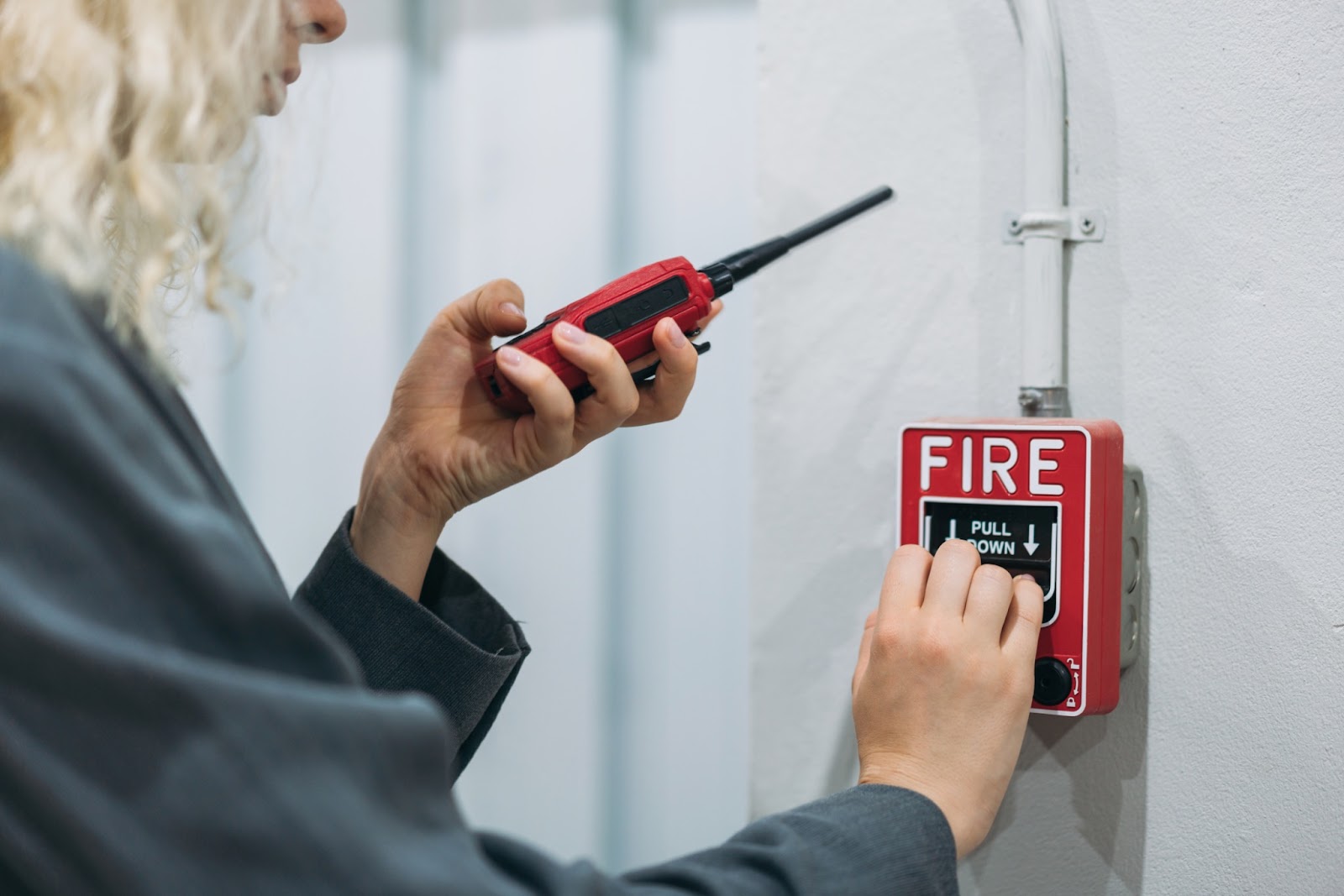
This is where things get real. An outdated fire protection setup doesn’t usually fail loudly. It fails quietly, at the worst possible moment.
That can lead to:
-
Greater damage to property
-
Longer downtime for businesses
-
Higher recovery costs
-
Increased risk to people inside the building
Most of these situations are avoidable with timely updates.
Why More People Are Upgrading Now
There has been a noticeable shift in recent years. Instead of waiting for problems, businesses are becoming more proactive. They are reviewing systems, upgrading where needed, and making sure everything works together properly.
It is not just about safety rules anymore. It is about peace of mind.
Conclusion
Outdated fire protection systems are easy to overlook until something goes wrong and by then, small issues can turn serious. Ageing detectors, disconnected systems, and reduced performance often build up over time. Spotting these signs early makes a big difference. Firetronics helps businesses in Singapore assess their systems, upgrade outdated parts, and improve reliability with modern solutions like advanced fire alarms and FM200 suppression systems. With the right support, fire safety becomes simpler and less stressful.
FAQs
1. How do I know if my system is outdated
It depends on usage and condition, but regular inspections can help determine when upgrades are needed.
2. Can old systems still work properly
They might work, but they are usually less reliable compared to newer options.
3. Is upgrading always necessary
Not always, but regular checks will help decide when it is needed.
4. What is the risk of delaying upgrades
Higher chances of system failure and increased damage during emergencies.
5. Who should I contact for an inspection
The most appropriate way is to refer to specialists that deal with fire safety systems.