 Tasselline | Latest Articles By Singaporeans, for Singaporeans Article Site for Singaporeans
The demand for transport in Singapore is diverse in relation to the type of business and the size of operations. In the case of companies involved in logistics, construction, production, or mass distribution, selecting the vehicle is not only a cost consideration but also an operational one. Singaporean businesses using heavy goods vehicles rely on equipment designed to carry heavier loads, cover longer routes, and withstand harsh working environments, compared to ordinary commercial vehicles. Knowing when it is necessary to have such a vehicle helps businesses remain compliant, effective, and economically reasonable. Most organisations tend to start with small vans or light trucks, and then over time, they see that these alternatives no longer serve them well as they expand into bigger organisations. This is normally when it becomes inevitable to evaluate heavy goods vehicles.
Knowing What a Heavy Goods Vehicle is

The regulations of a heavy goods vehicle used in Singapore are usually based on its maximum laden weight and the purpose of use. These vehicles are constructed to carry heavy or high volumes of weight that light or medium commercial vehicles cannot manage. Typical examples are large lorries, prime movers, and some specialised trucks used in the construction industry or for industrial transport. Besides size, these vehicles are designed to be durable, stable, and safe when handling large loads. Companies should also consider licensing, driver qualifications, and approvals related to operating such vehicles. It is necessary to understand this classification before deciding whether the shift to a heavier vehicle category is truly justified by daily operational needs.
Indications Your Company Has Moved Beyond Light Commercial Vehicles
Frequent overloading or the necessity to make more than one trip to perform one job can be considered one of the most obvious indicators. Productivity tends to decline when delivery schedules are tight due to limited cargo space. Maintenance costs of smaller vehicles are also likely to increase because they are being driven beyond their intended limits. Companies may observe higher fuel inefficiency and accelerated deterioration of tyres and suspension systems. At this point, upgrading to a heavy goods vehicle commonly used by Singapore operators can be cost-effective in the long term. The change is likely to lead to fewer trips, enhanced load control, and improved operational reliability.
The Sectors that are Likely to Involve Heavy Goods Vehicle Usage
Some industries automatically require heavy transport solutions. Construction firms need to transport raw materials, machinery, and waste across locations. Freight and logistics operators deal with large-scale goods that require stable and spacious cargo handling. Heavy vehicles are also commonly used by manufacturing companies when there is a need to move finished products or raw materials between manufacturing plants. Greater load capacity is also advantageous to retail distributors that serve large outlets and warehouses. In these sectors, the need for a heavy goods vehicle-based operation in Singapore is not optional but essential to meet daily operational requirements.
Singaporean Regulatory and Compliance Considerations
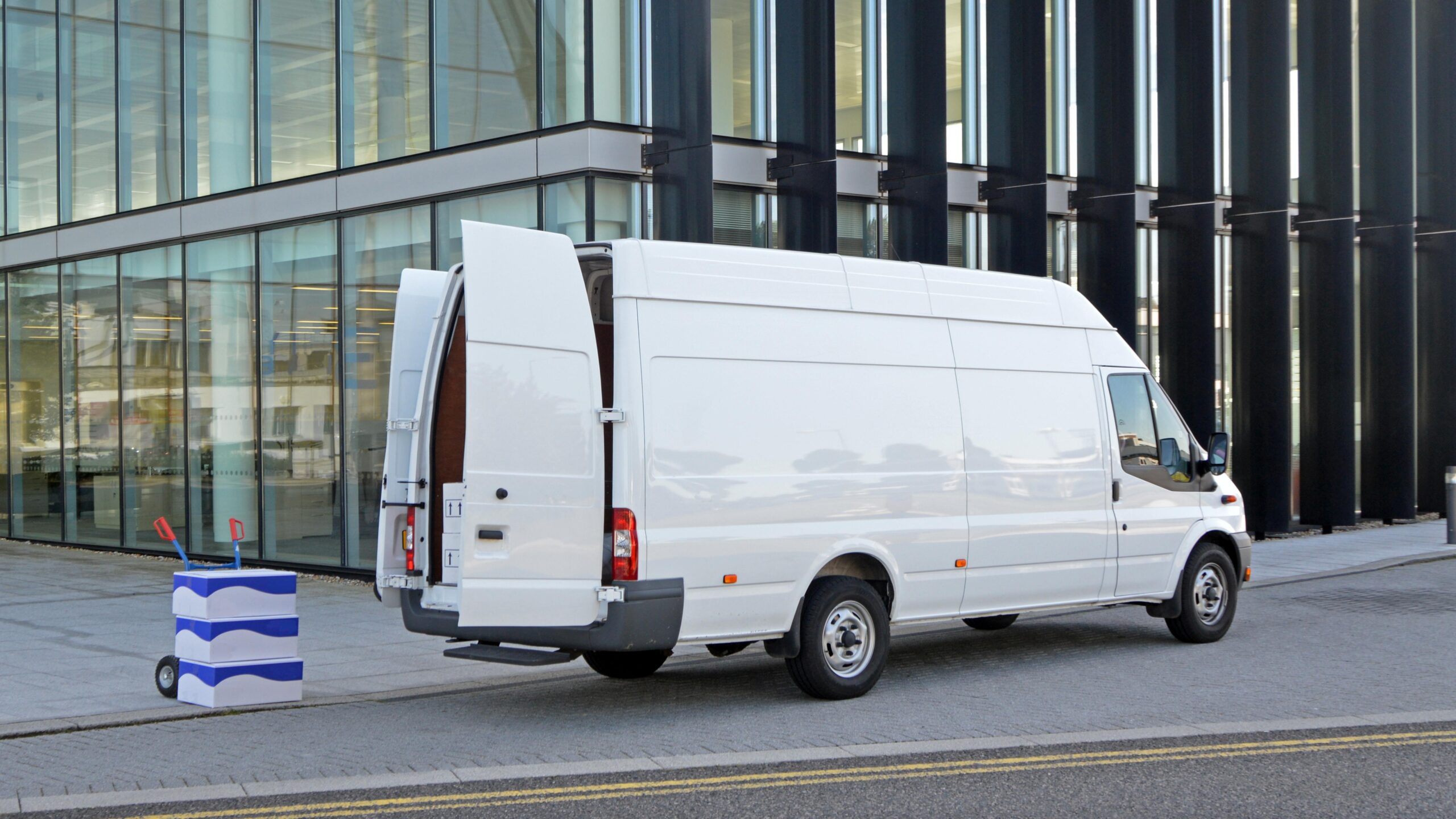
Driving heavy vehicles in Singapore involves very stringent regulatory requirements. There are regular vehicle inspections and strict emissions and road safety standards. Drivers must possess the relevant driving licences and, in certain cases, additional qualifications. Route restrictions and designated loading areas may also apply, depending on vehicle size. Failure to comply can result in fines, operational delays, or reputational damage. Companies considering this upgrade need to take these responsibilities into account as part of the overall decision-making process.
Cost Factors and Budget Planning
The most significant issue in transitioning to heavier vehicles is cost. Purchase prices, insurance, maintenance, and fuel consumption are all higher compared to light vehicles. Nevertheless, these expenses should be evaluated against operational efficiency and long-term savings. A heavy goods vehicle that Singapore businesses invest in can reduce labour costs and delivery frequency. To manage budgets more efficiently, many companies consider alternatives such as cheap used trucks for sale. Proper budgeting helps ensure that the investment supports growth rather than becoming a financial liability.
New and Used Heavy Goods Vehicles
The decision to choose new or pre-owned vehicles depends on budget, intensity of use, and risk tolerance. New vehicles come with current safety measures, improved fuel economy, and manufacturer warranties. Second-hand commercial vehicle purchases offer attractive options due to lower initial costs. Trusted dealers inspect and refurbish vehicles to ensure they comply with regulations. A well-sourced used heavy goods vehicle can deliver strong performance at a fraction of the cost. It is essential to evaluate vehicle history, maintenance records, and overall condition before purchase.
Use of Reliable Dealers in the Choice of Cars
Working with an experienced dealer makes the decision-making process easier. Dealers understand regulatory standards, vehicle suitability, and market pricing. Firms such as XL Motor help buyers determine the type of vehicle that fits specific operational needs. They also provide advice on inspections, financing, and post-sales services. This expertise reduces costly mistakes for businesses new to purchasing heavy vehicles. A knowledgeable dealer becomes a long-term partner rather than just a seller.
Comparison of Vehicle Options
|
Type of Vehicle |
Load Capacity |
Common Use Case |
Cost Level |
|
Light Commercial Van |
Low |
Small deliveries |
Low |
|
Medium Truck |
Medium |
Regional trucking |
Moderate |
|
HGV |
High |
Industrial and bulk transport |
High |
Heavy Goods Vehicle is Required When:
-
Cargo weight is regularly over the limit of light vehicles.
-
Delivery routes demand fewer and bigger journeys.
-
The government policies in the industry require larger-capacity vehicles.
-
The cost focus has shifted beyond initial purchase cost.
Making the Right Long-Term Growth Decision
The timing of investment in a heavy goods vehicle that Singapore businesses rely on is a critical matter that must be considered in relation to present and future requirements. It is not just about size and capacity but about sustainability and efficiency. Companies that plan tend to avoid repeated upgrades and unnecessary expenses. The option of purchasing second-hand commercial vehicles offers flexibility while maintaining performance standards. Dealers such as XL Motor contribute to this decision through informed advice and a broad range of vehicles. Ultimately, the correct vehicle selection supports growth, compliance, and long-term business sustainability.