 Tasselline | Latest Articles By Singaporeans, for Singaporeans Article Site for Singaporeans
Organising a successful conference is an exercise in the execution of hundreds of decisions, from the choice of venue and vendor management to co-ordinating speakers and ensuring that everyone has a positive experience. Often companies face the decision of whether to hire a professional conference event planner or to use an in-house team. The answer depends on the amount of resource available, how complex the event is, the budget and business objectives. While an internal team may know the organization’s culture well, professional planners have specific expertise, pre-existing relationships in the industry, and tried-and-true processes for event management that often lead to better long-term value and easier execution.

|
Comparison Area |
In-House Event Team |
Professional Conference Event Planner |
|
Experience |
Limited to company events |
Extensive experience across industries |
|
Vendor Network |
Usually limited |
Established supplier relationships |
|
Time Commitment |
High for employees |
Managed by dedicated professionals |
|
Flexibility |
May be limited by workloads |
Focused entirely on event delivery |
|
Event ROI |
Depends on internal expertise |
Often improved through professional planning |
Why This Decision Matters
A corporate conference is more than just a gathering of attendees. It speaks about a company’s professionalism, organisation and brand image. Every decision made in the planning phase impacts the overall experience.
Often companies assume that their own team can do everything because they know the organisation. Perhaps so, but a conference is not the same as running a business day to day.
Cost alone should not be the deciding factor when choosing between an internal team or an external planner. It should also look at expertise, efficiency and the return on investment.
Understanding an In-House Event Team
Many organisations assign conference planning responsibilities to their marketing, administration, HR, or operations departments.
An internal team usually has several advantages.
They understand:
-
Company culture
-
Business objectives
-
Internal approval processes
-
Employee expectations
Communication between departments may also be quicker because everyone works within the same organisation.
But conferences are often an extra duty, not a specific job. Staff have their regular duties to do as well as managing suppliers, venues, registrations, technical specifications and guest interactions.
That can be hard to do, especially with larger conferences.
What Does a Professional Conference Event Planner Bring?

A professional conference event planner specialises in organising business events every day.
Instead of learning during the project, experienced planners already understand common challenges and know how to solve them before they become bigger problems.
They typically provide support with:
-
Conference strategy
-
Budget management
-
Venue sourcing
-
Vendor coordination
-
Registration systems
-
Programme scheduling
-
Technical production
-
On-site event management
Because these activities are part of their daily work, they often complete tasks more efficiently than teams handling conferences only occasionally.
Comparing Cost
One reason companies don’t want to bring in an outside planner is the cost. At first glance, it may appear cheaper to use an internal team because the employees are already on the payroll.
But often hidden costs are overlooked.
Example:
-
Staff delays in planning not core work
-
Overtime ‐ Time required prior to event
-
Additional resources needed to fix unforeseen issues
-
Lack of experience leads to delays
Professional planners aren’t free, but they can save businesses from unnecessary expenses by budgeting wisely and negotiating better with suppliers.
Sometimes there's more to the picture than just the initial cost.
Comparison of Expertise
When organising a conference, experience can make a big difference. One or two big conferences can be organised by an internal team annually.
A well-established event management company manages conferences, seminars, exhibitions and corporate functions round the year.
This wider experience enables professional planners to:
-
Recognise Risks at an Early Stage
-
Suggest appropriate places
-
Manage a large number of suppliers
-
Handle unexpected changes calmly
-
Enhance the overall attendee experience.
Often their knowledge can help a business avoid mistakes that can affect the event.
Comparing Efficiency
Conference planning involves hundreds of small tasks. Missing one deadline can create delays across the entire project.
Professional planners usually work with structured systems, timelines, and checklists that keep every activity moving according to schedule.
Internal teams, on the other hand, often need to balance event planning with meetings, projects, and daily business responsibilities.
As the event approaches, workloads can increase considerably. This is one reason many organisations consider outsourced event planning, particularly for conferences involving large audiences or multiple stakeholders.
Comparing Return on Investment
Return on investment should be measured by more than attendance numbers.
Businesses should also consider:
-
Audience engagement
-
Networking opportunities
-
Brand visibility
-
Operational efficiency
-
Overall attendee satisfaction
Each element supports the conference goals and helps improve these areas through professional planning.
A well organised event leaves a greater impression than one where guests suffer delays at registration, technical problems or poor co-ordination.
When an In-House Team May Be Suitable
There are situations where an internal team may be the right choice.
For example:
-
Small employee meetings
-
Department workshops
-
Internal training sessions
-
Low-budget company gatherings
These events often require fewer suppliers and simpler logistics.
When Professional Planning Makes More Sense
External support is usually more beneficial when conferences involve:
-
Large audiences
-
International speakers
-
Complex logistics
-
Multiple suppliers
-
Hybrid or virtual participation
-
Tight event schedules
Working with a professional corporate event organiser allows businesses to focus on engaging with attendees while experienced planners manage operations behind the scenes.
Finding the Right Balance
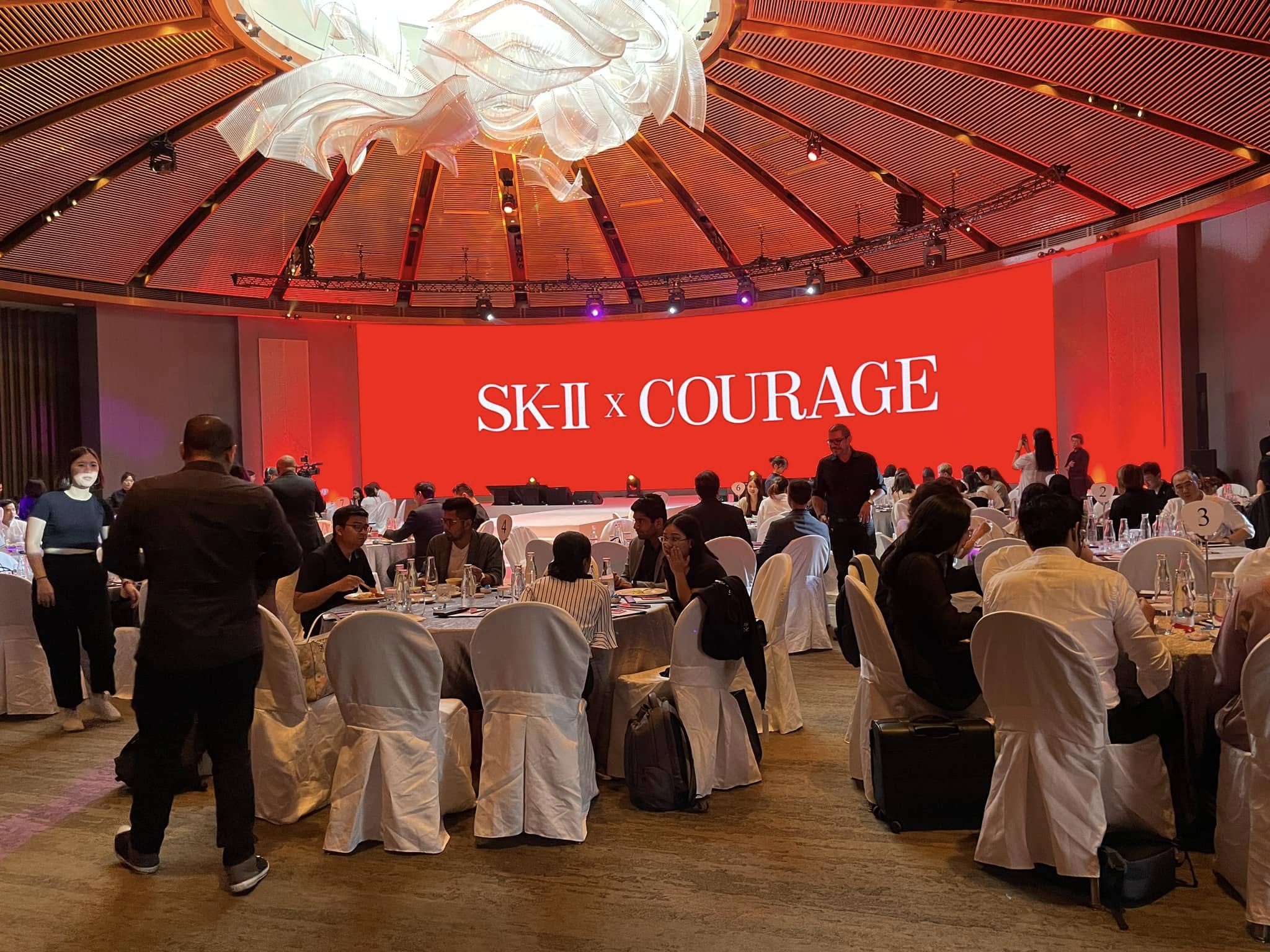
Some organisations choose a hybrid approach. Their internal team manages business decisions and content while professional planners oversee logistics, operations, supplier coordination, and event delivery.
This combination allows businesses to maintain strategic control while benefiting from specialist knowledge.
Conclusion
There is no single answer that suits every organisation. Smaller internal events may be manageable by an in-house team, but larger conferences often require more specialist knowledge, better coordination and dedicated planning skills. The best choice depends on how hard the event is and what the business wants to happen.
Tembusu Events provides expert planning and end-to-end event support to businesses looking to run professional conferences with confidence. They understand the business and corporate conference and events industry very well and guide their clients through the process in a professional and efficient manner. Companies want to host successful conferences in Singapore and they trust us because we care about quality, pay attention to detail and have years of experience.
Frequently Asked Questions
1. How much more expensive is it to hire conference event planners than to use an in-house team?
Not necessarily. There is a cost for professional services, but they can reduce hidden costs by better planning, better management of suppliers and better execution.
2. What are the benefits of outsourced event planning?
Specialist expertise, established vendor networks, efficiency and professional event management are the benefits of outsourcing event planning.
3. Can an internal team organise a successful conference?
Yes, particularly for smaller events. However, larger conferences often benefit from professional planning support.
4. Why do businesses hire an event management company?
Businesses often hire professional planners to reduce operational pressure, improve attendee experience, and ensure smoother event execution.
5. What factors should companies consider before deciding?
Companies should evaluate event size, available resources, internal expertise, budget, timelines, and business objectives before making their decision.