 Tasselline | Latest Articles By Singaporeans, for Singaporeans Article Site for Singaporeans
A car that refuses to start can feel like a sudden disaster, especially when there was no warning the day before. Many drivers automatically assume the battery is dead, but starting problems are often caused by a number of hidden mechanical or electrical issues. A vehicle may not start correctly because of a weak starter motor, bad ignition parts, blocked fuel flow, damaged wiring, or worn sensors. These problems can develop over time, especially in a place like Singapore where daily driving, traffic, heat and stop-start movement place constant pressure on vehicles. A workshop check properly carried out identifies the real fault at an early stage, cuts repair costs and stops unexpected roadside breakdowns.

There is a common habit among drivers to guess the issue and replace the most obvious part first. Sometimes that works. Often, it does not.
A car needs fuel, spark, air, electrical support, and mechanical timing to start smoothly. If even one of these systems fails, the engine may struggle or refuse to start completely. That is why professional diagnosis matters more than assumptions.
A Weak Battery Is Common, But Not Always the Main Problem
Battery failure is one of the first things mechanics inspect, and for good reason.
A weak battery can lose its charge over time due to age, frequent short trips, extreme heat or accidentally leaving electrical components on. But if you keep replacing the battery without checking the charging system, you might be throwing money away.
Signs of a weak battery often include:
-
Slow cranking when turning the key
-
Flickering dashboard lights
-
Clicking sounds during startup
-
Difficulty starting after the car sits overnight
If these signs repeat, a deeper check is often needed.
Starter Motor Trouble Can Stop the Engine Completely
Even a healthy battery needs the engine started with a starter motor to start the process of ignition. After some time, this part begins to wear out and the car might behave unpredictably. Some cars start fine one day and fail the next.
A faulty starter motor may show:
-
A single sharp click
-
No engine turnover
-
Random starting failure
-
Burning smell from repeated ignition attempts
This is one issue many car workshops in Singapore inspect during no-start cases.
Fuel Delivery Problems Are Easy to Overlook
An engine can crank perfectly and still fail to start if fuel does not reach the combustion chamber. Blocked filters, weak fuel pumps, or clogged injectors can restrict flow.
This usually happens gradually. Drivers may notice reduced performance first before a full starting issue appears. Ignoring fuel delivery problems may also affect mileage, acceleration, and engine health.
Ignition Components Wear Out Over Time
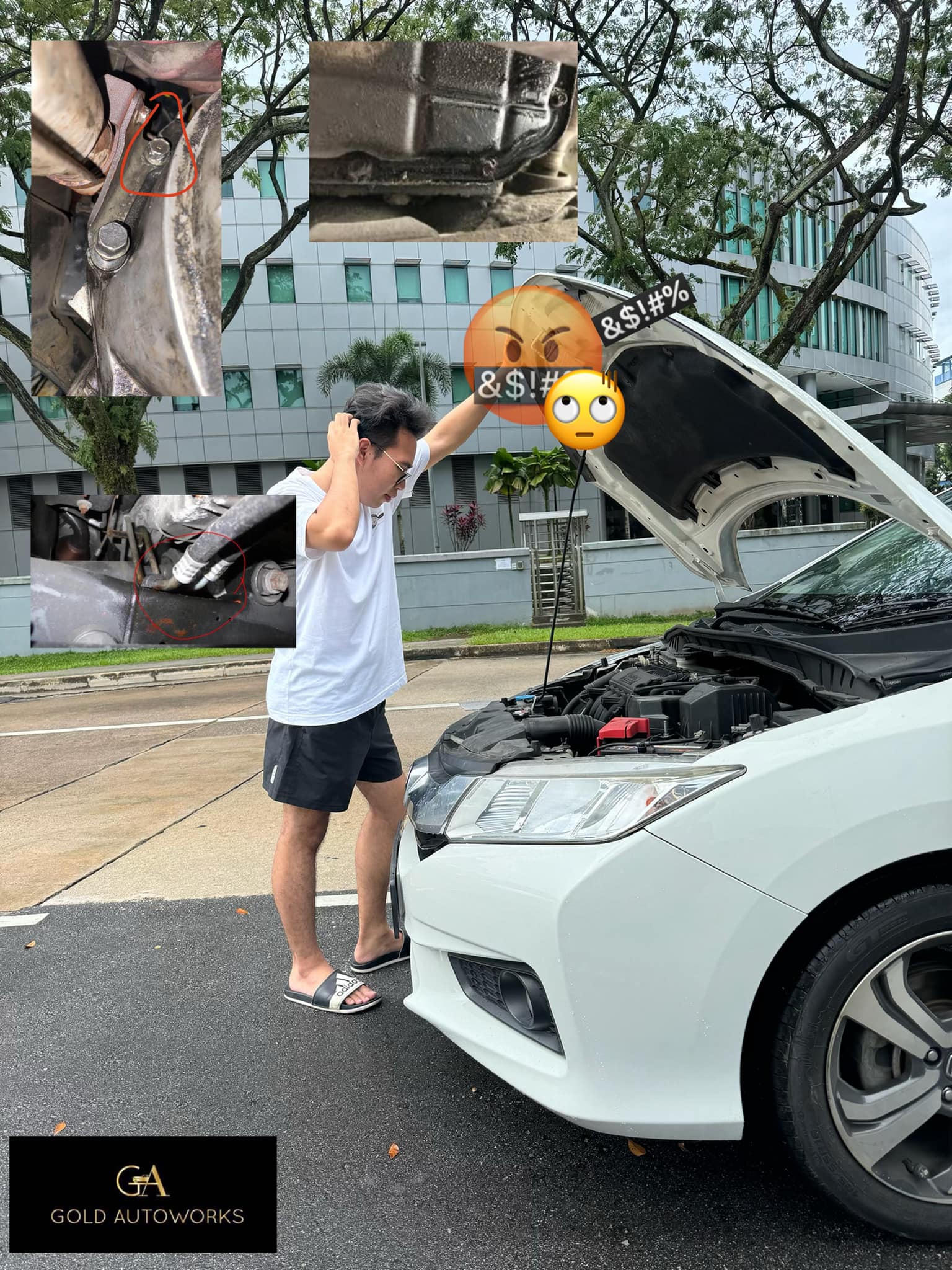
Spark plugs and ignition coils are small parts, but they play a major role. If spark becomes weak or inconsistent, combustion may fail.
Sometimes the engine cranks repeatedly but does not catch. Other times it starts roughly, shakes, or stalls shortly after ignition. This is why workshop checks often include ignition inspection before replacing expensive components.
Sensors Can Cause Hidden Starting Failures
Modern vehicle has a lot of electronic sensors . A bad crankshaft sensor, camshaft sensor or engine control problem can mess up the ignition sequence.
The engine may appear healthy, but incorrect signals stop proper startup. Sensor-related faults are difficult to detect without diagnostic tools. That is where experienced technicians become important.
Quick Breakdown of Common No-Start Issues
|
Possible Issue |
What Drivers Usually Notice |
Likely Effect |
|
Weak battery |
Slow crank or clicking |
No power to start |
|
Starter motor fault |
Engine does not turn |
Ignition blocked |
|
Fuel blockage |
Cranks but no start |
No combustion |
|
Ignition failure |
Rough or delayed start |
Weak spark |
|
Sensor issue |
Random startup failure |
Electronic interruption |
This is why proper testing matters before replacing parts.
Alternator Failure Can Look Like a Battery Problem
A dead battery is sometimes just a symptom. The alternator charges the battery while the engine runs. If it begins to fail, the battery may repeatedly drain even after replacement.
Signs can include:
-
Headlights dimming at night
-
Weak electrical response
-
Repeated jump starts
-
Warning lights appearing unexpectedly
Without diagnosing the charging system, the actual issue may remain hidden.
Old Wiring and Corrosion Should Not Be Ignored
Singapore’s humidity is a slow killer of electrical systems over time. Power flow can be interrupted by corroded battery terminals, loose connectors and worn wiring.
These faults may not be visible at first glance. A workshop inspection can reveal these subtle issues before they become major failures.
This is another reason why trusted cars garage in Singapore facilities often run electrical checks during startup complaints.
Previous Repairs Can Sometimes Create Later Problems
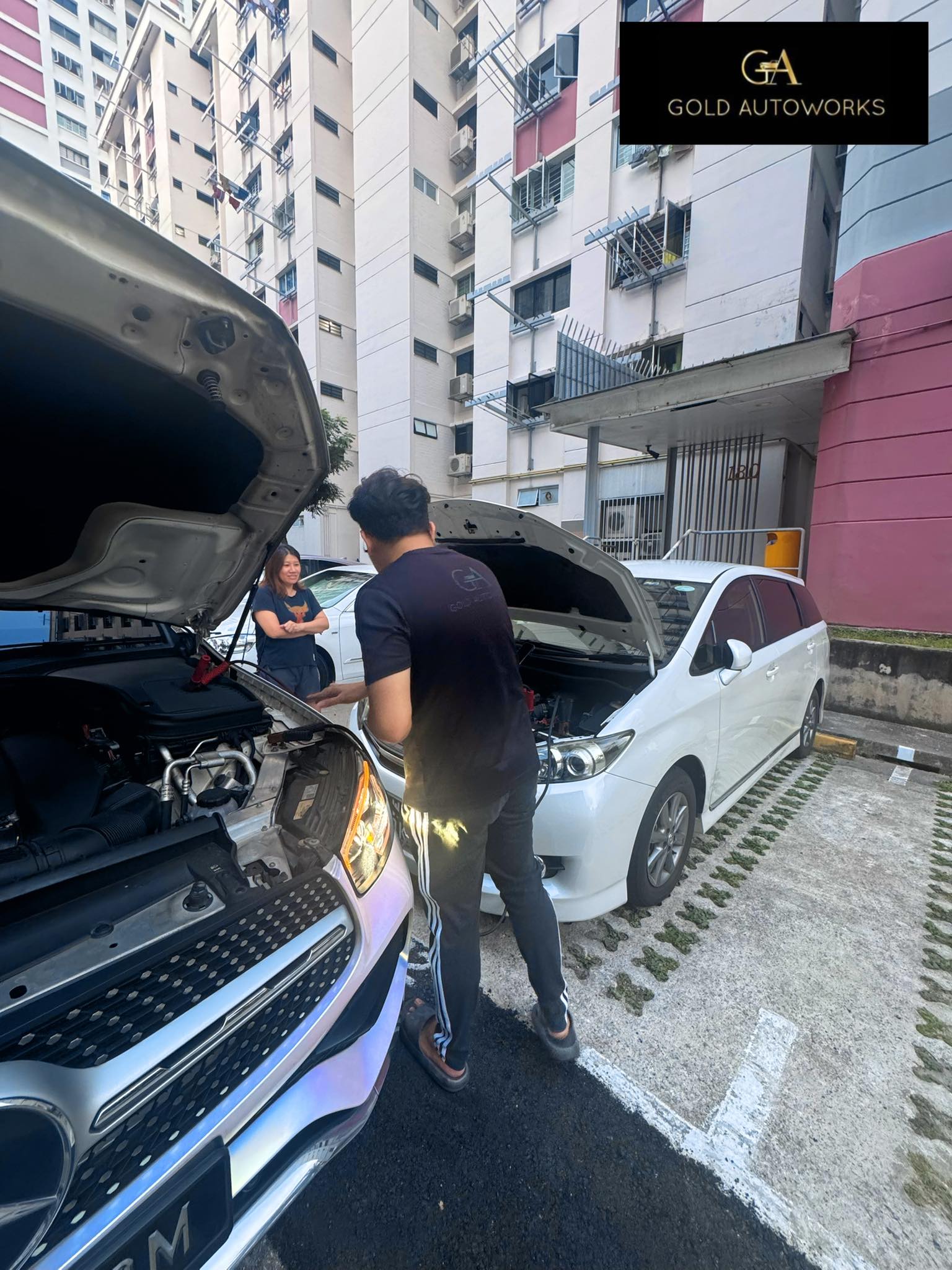
Not every issue begins with engine wear. Improper repairs after accidents, poor wiring replacements, or rushed bodywork can affect electrical pathways.
This is why some faults appear months later. Drivers who previously repaired vehicles through cheap car body repair shops may sometimes discover loose fittings, exposed wires, or incomplete reconnections affecting performance.
The issue is not always visible externally.
Why Early Diagnosis Saves Money
A delayed start today can become a complete no-start tomorrow. Small warning signs should not be ignored.
Watch for:
-
Longer crank time
-
Repeated jump-start dependence
-
Burning smell
-
Dashboard flickering
-
Random stalls
-
Loss of power
Routine checks, especially during car servicing offers, often catch these faults before larger repairs become necessary.
Prevention is almost always cheaper than emergency repair.
Conclusion
A car that refuses to start is rarely a problem drivers should dismiss. Many no start situations are caused by deeper problems such as ignition faults, fuel restrictions, wiring damage, failing sensors or starter motor wear. The battery is often the first suspect. Early identification of the real cause helps to avoid unnecessary replacement costs and unexpected breakdowns.
For drivers seeking reliable diagnosis and dependable repair support, Gold Autoworks continues to be a trusted name for practical inspections and quality workmanship. Their experience in handling hidden mechanical and electrical issues helps keep vehicles safer, stronger, and road-ready in Singapore.
FAQs
1. Can a car crank but still fail to start?
Yes. Fuel, ignition, or sensor problems may prevent combustion even if the engine turns over.
2. Is a dead battery always the reason a car won’t start?
No. Starter motor issues, wiring faults, alternator failure, or fuel system problems can also be responsible.
3. How often should starting issues be checked?
Any repeated delayed start, clicking sound, or weak ignition should be inspected quickly.
4. Can humidity affect vehicle electrical systems?
Yes. Moisture and corrosion can slowly damage terminals and wiring.
5. Is it risky to ignore intermittent starting issues?
Yes. Minor faults often grow into larger breakdowns if left untreated.