 Tasselline | Latest Articles By Singaporeans, for Singaporeans Article Site for Singaporeans
Diabetic Macular Edema (DME) is an eye condition that can affect people with diabetes. It occurs when fluid leaks into the macula or central part of the retina (which is the light-sensitive layer at the back of the eye), causing the centre of your vision to become blurry.
When the swelling worsens, this can make things like reading, driving, recognising people and recognising faces difficult. It’s a common misconception that blurred vision is always due to a need for cataract surgery, but DME is a much different problem that needs early diagnosis and treatment.1
It’s possible not to notice the changes initially, as you could only experience mild blurring of vision. Being aware of the early signals is crucial to maintaining your eyesight.
What Is Diabetic Macular Edema (DME)?
The retina is the light-sensitive layer of tissue at the back of the eye. The main area of the retina is known as the macula, and this enables you to see fine details.
When blood sugar levels are high, the small blood vessels that supply the retina can become damaged. Once damaged, the blood vessels may eventually leak fluid into the macula. This results in swelling and blurred central vision.2
DME is common in both Type 1 and Type 2 diabetic patients. Those with long-standing diabetes or poorly controlled diabetes tend to develop DME. High blood pressure and kidney disease can also increase the risk.
Some people may have cataracts as well. Cataract surgery treats the cloudy lens, but does not treat the swelling in the retina. This is the reason why your cataract surgeon in Singapore carefully examines the retina before suggesting cataract surgery.
Early Warning Signs You Should Never Ignore
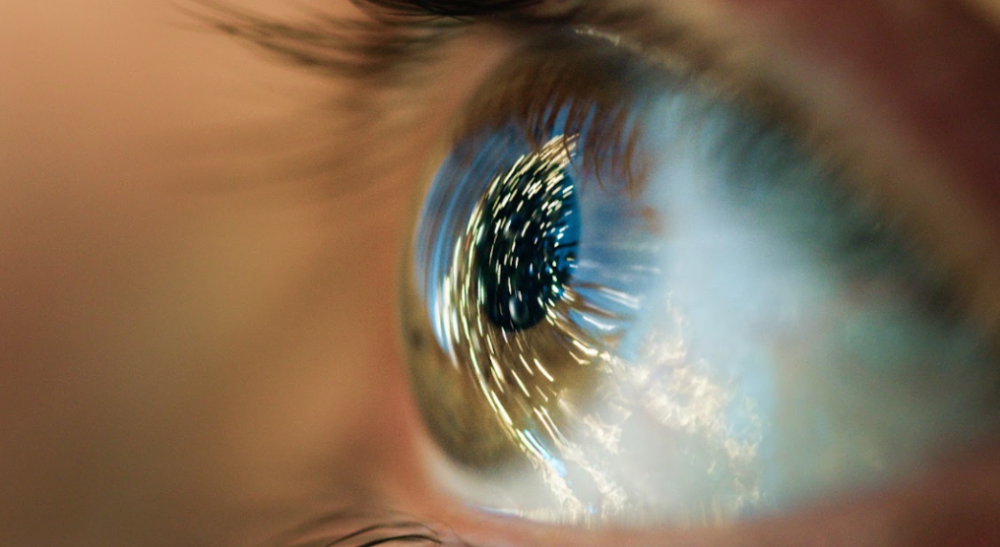
It can be easy to overlook the initial symptoms as they seem insignificant. Vision may become blurry at intervals instead of all together. Reading is difficult even with correct glasses. Colours appear dull, and lines appear distorted.
Your vision may become more and more blurry, making it difficult to carry out daily tasks. You may experience black or fuzzy areas centrally in your vision. These changes can happen slowly, making them easy to overlook.3
If you suffer from cataracts, a full eye examination is also essential before Cataract Surgery Lens Implant selection. Those considering bladeless laser cataract surgery in Singapore should also have their retina checked, as both can affect the outcome.
Common warning signs of DME include:
- Central vision is blurry or fluctuating.
- Problems reading small text.
- It appears that there are bent or wavy lines.
- Dark or fuzzy areas, especially when focusing on objects.
- Having difficulty identifying faces or perceiving fine details.
Warning Sign |
What It Could Mean |
Blurred central vision |
Swelling may be affecting the macula. |
Wavy or distorted lines |
The centre of the retina may be changing. |
Colours appear dull or faded |
The macula may not be functioning properly. |
Vision changes from day to day |
Retinal swelling may be getting worse. |
How Is Diabetic Macular Edema Diagnosed?
Standard eye tests will not always identify DME. The retina of the eye needs to be examined in detail. The ophthalmologist will generally dilate the eye to examine the retina for signs of swelling, bleeding or other signs of changes in the eye that may be caused by diabetes.
An OCT scan helps provide detailed cross-sections of the retina, allowing assessment for fluid that cannot be detected in a normal eye examination. Fluorescein angiography may be required to identify leakage from blood vessels in some cases.4
These tests help guide treatment decisions. They are also indicative of the state of the retina, and so any person seeing a cataract surgeon in Singapore should also have their retina examined before selecting a Cataract Surgery Lens Implant.
Can Diabetic Macular Edema Be Treated?
Unfortunately, DME cannot always be cured, but the condition may sometimes be treated successfully with early intervention. The goal of treatment is to reduce swelling in the macula, protect the retina and prevent future loss of vision. One of the most common treatments involves anti-VEGF injections because it reduces the leakage from the damaged blood vessels that leak fluid into the retina. However, some individuals might require steroid treatment or laser therapy depending on their individual response.5
The treatment does not end with the injections or laser procedures. Control of diabetes, high blood pressure and cholesterol levels are as important as they do affect the health of the retina. Some diabetic patients, who also have cataracts, need cataract surgery, but only if the swelling is controlled first to ensure success. A thorough eye examination also enables the doctor to decide if a Cataract Surgery Lens Implant is suitable. Patients considering Singapore bladeless laser cataract surgery should have the cataract and retina examined before treatment is undertaken.
Why Early Treatment Makes a Difference
Most patients don’t see the eye doctor until their vision has started getting worse. Sadly, DME may cause damage to the macula even though visual symptoms are mild. Once the cell structure of the macula is permanently damaged, vision may not be restored to normal. Treatment at an early stage may help in slowing DME and preserve useful vision.6
One of the easiest ways to detect DME before it causes significant vision loss is to have routine eye exams for diabetics. If a diabetic also has cataracts, it’s important to talk to a cataract surgeon in Singapore to ensure both are treated properly. Patients considering bladeless laser cataract surgery in Singapore should make sure their retina is healthy as well as their lens; this is critical for optimal visual outcomes.
Protecting Your Vision for the Future

Eye checks should be part of your diabetic management routine every day. Your vision may seem unaffected, but your eyes could still be changing. A comprehensive eye exam can identify early changes.
Maintaining good eye health by taking care of your diet, exercising regularly, or taking your medication correctly, as well as maintaining proper diabetes management, will all help to reduce the risk of diabetic eye disease. Ongoing follow-up of your retina should be continued after Singapore bladeless laser cataract surgery, as diabetes can still affect the retina over time.
Comprehensive Eye Care Supports Better Treatment Decisions
Blurring of vision may not be due to an isolated eye condition. Through a detailed assessment of the eye, the Ophthalmologist will determine if the vision changes are related to DME, cataract, or other retinal problems.
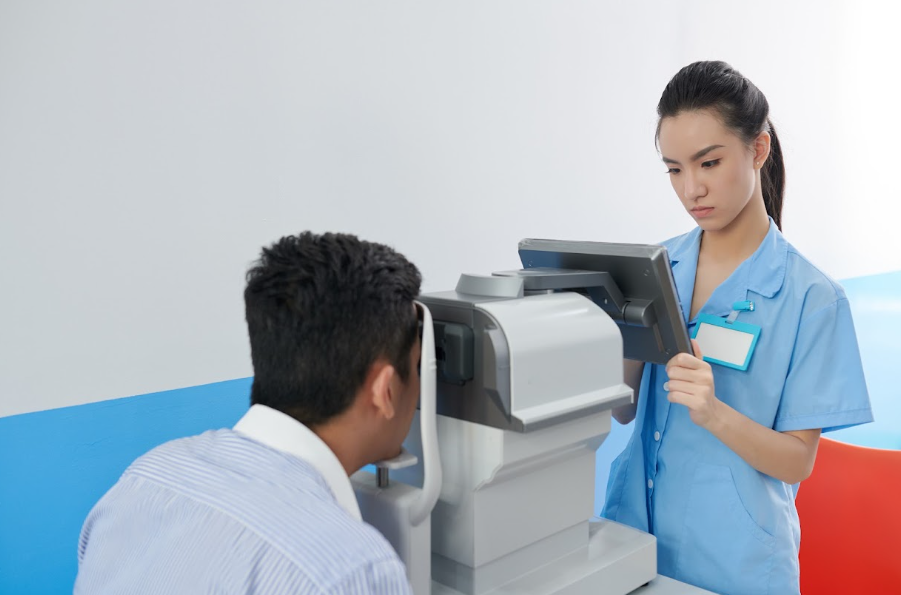
A Cataract surgeon in Singapore will first do a full assessment of the lens and the retina; then discuss with the patient the need for surgery, what should come first in the treatment plan and why. Choosing the right Cataract Surgery Lens Implant is an important part of treatment. Dr David Goh performs detailed eye examinations and recommends suitable treatment based on each patient’s eye health and vision needs.