 Tasselline | Latest Articles By Singaporeans, for Singaporeans Article Site for Singaporeans
There is no treatment currently available to cure AMD. However, early detection and treatment have the potential to slow down progression and preserve vision. Patients with AMD can frequently develop cataracts, and so cataract surgery is an important aspect of their management. Cataract surgery can improve vision caused by the clouded lens but cannot reverse damage to the retina caused by AMD.
Age-related macular degeneration (AMD) is one of the most common causes of loss of central vision among the elderly. AMD affects the macula, the central part of the retina that is needed for detailed vision. The level of deterioration continues to increase, making reading, recognising faces and driving perhaps more difficult. Understanding which treatment options are available enables patients to make informed choices regarding their eye health.
What Is Age-Related Macular Degeneration?
Age-Related Macular Degeneration (AMD) is a disease that affects the retina and develops with age. It mainly occurs in people over the age of 50 and begins when the retinal macula starts to decline over time. If affected, people will lose the ability to see clearly in the centre of their eyes, although their side vision remains normal. Smoking, genes, obesity and heart disease may also increase the chance of developing AMD.1
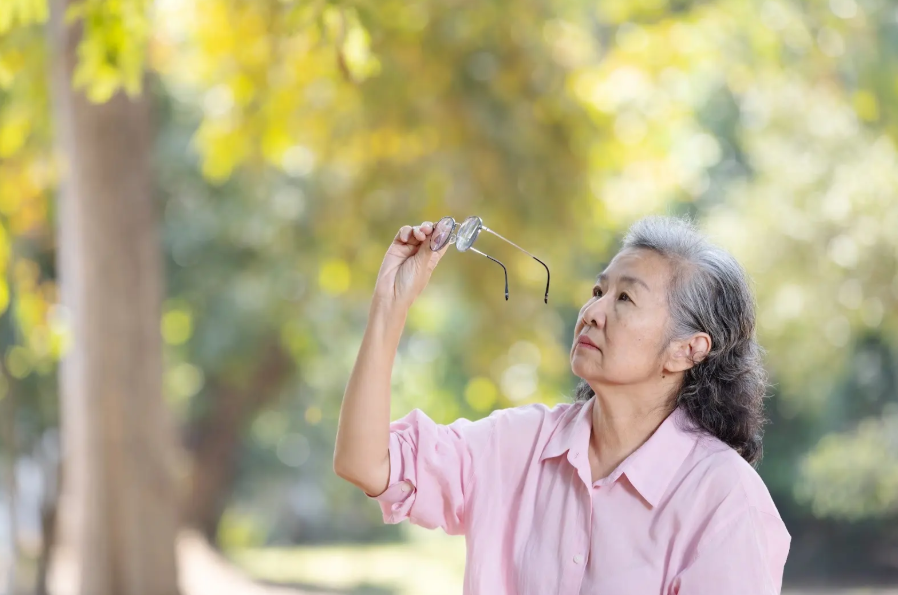
There are two types of AMD: dry AMD and wet AMD. As the name suggests, dry AMD gradually occurs as the clumping of deposits called drusen beneath the retina, and this affects the vision. In wet AMD, abnormal blood vessels grow underneath the macula and leak blood or fluid.
To differentiate between the two conditions and to rule out other causes of blurry vision such as cataracts, a comprehensive eye exam must be performed by a Cataract surgeon in Singapore. If there are cataracts present, the appropriate Cataract Surgery Lens Implant is only selected once the health of the retina has been assessed.2
Can AMD Be Treated?
There is currently no cure for AMD, but some treatments might delay any further deterioration and help prevent sight loss. Treatment varies according to the type and severity of AMD, and the overall condition of the eye. Regular eye checks are important as AMD can deteriorate before there are any obvious symptoms.3
Wet AMD is usually managed with anti-VEGF injections to reduce the growth of abnormal vessels. Dry AMD is managed with observation, appropriate lifestyle modifications and nutritional support for appropriate patients. When there is also cataract, the cataract surgeon in Singapore may advise cataract surgery once it is established that the expected benefit will justify the limitation caused by AMD. The Cataract Surgery Lens Implant used will depend on the overall health of the eye.
Management may include:
- Consistent eye checkups, which should include assessment before bladeless laser cataract surgery in Singapore in the event that you find cataracts and AMD concurrently.
- Anti-VEGF injections for those eligible with wet AMD.
- Singapore provides an Amsler grid to help track vision changes.
- Quitting smoking and managing blood pressure and diabetes.
- Eating a diet high in green leafy vegetables and omega-3 rich foods.
- Talking about when Singapore bladeless laser cataract surgery is suitable if cataracts are causing the loss of vision.
| Feature | Dry AMD | Wet AMD |
| Prevalence | More common form of AMD | Less common but generally more severe |
| Progression | Generally progresses gradually | Can sometimes progress more quickly |
| Cause | Thinning of the macula and build-up of drusen | Growth of new abnormal blood vessels in the subretinal space |
| Typical symptoms | Blurred vision, trouble reading and identifying faces | Visual distortion, central vision loss and dark spots in the middle of your vision |
| Risk of vision loss | Your central vision slowly deteriorates | Faster central vision loss if left untreated |
| Monitoring by GP or Nurse | Weight management and lifestyle advice where appropriate | Anti-VEGF injections with regular review |
Can Cataract Surgery Improve Vision in People With AMD?
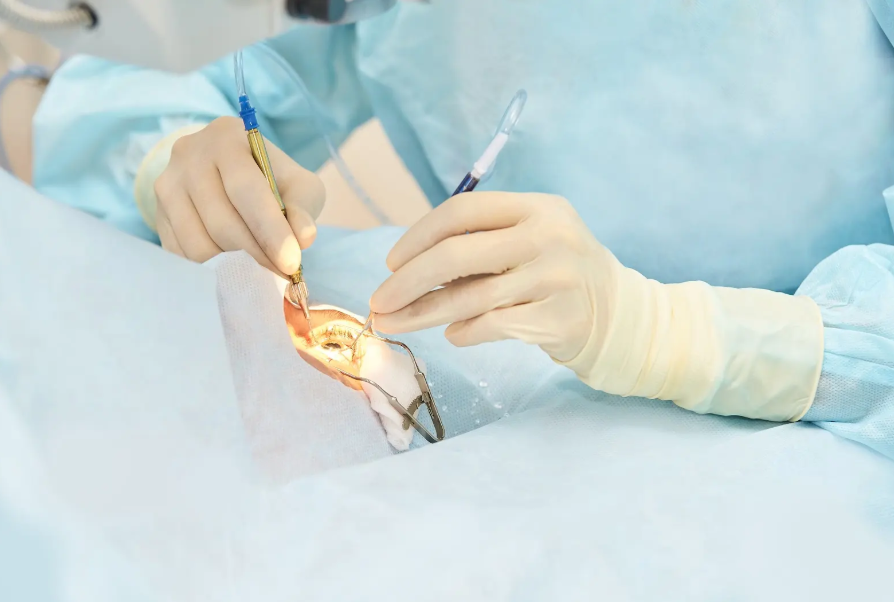
Patients with both cataracts and AMD often ponder whether surgery will cure their loss of sight. The answer is determined by how much of the vision deterioration is due to each condition. Cataract surgery replaces the cloudy natural lens with a clear one to enhance the amount of light reaching the retina, but does not affect the retinal damage caused by AMD. A sophisticated preoperative evaluation by a cataract surgeon in Singapore establishes whether surgery will enhance visual function and whether the individuals will benefit from bladeless laser cataract surgery in Singapore.4
Choosing the Right Treatment Plan
Treating AMD involves a personalised treatment plan, in accordance with the subtype of AMD, the extent of changes seen in the retina and the presence of other eye conditions. Follow-up appointments at regular intervals enable the ophthalmologist to keep track of how AMD is progressing and make changes to the treatment plan as required. Patients wanting Singapore bladeless laser cataract surgery should also discuss expected results. Cataract removal, through surgery, will improve vision lost due to cataracts, but will not stop AMD from progressing.
Choosing the most appropriate Cataract Surgery Lens Implant is just as important because the health of the retina will determine the visual prognosis.5
Protecting Your Vision Over Time
While AMD cannot always be entirely avoided, certain healthy lifestyle approaches can help reduce the risk of deterioration. Stopping the use of tobacco, eating a well-balanced diet, remaining physically active and managing diseases like high blood pressure or diabetes ultimately aid the eyes’ health over a period of time. Those who have AMD should visit the doctor regularly for eye check-ups so that any developments can be picked up. For those diagnosed with AMD who then need cataract surgery, the retina must be carefully assessed prior to the operation. A cataract surgeon in Singapore can recommend a Cataract Surgery Lens Implant if this is suitable.
People with AMD should seek advice immediately if they notice any significant, sudden changes in vision, especially distortion, blurring of the central vision or dark spots. The sooner treatment is commenced, the more likely it is to be successful. Those considering bladeless laser cataract surgery in Singapore should be aware that the surgery is for cataracts, not AMD, and regular retinal review remains essential.
Comprehensive Eye Assessments Support Better Treatment Decisions
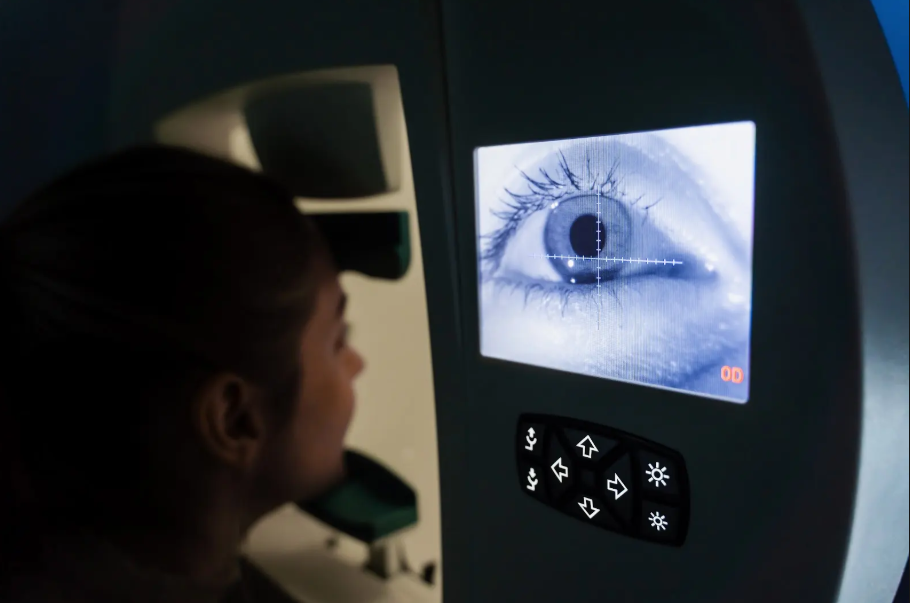
Because eye conditions tend to increase with age, thorough exams allow each problem to be taken care of properly. All treatment for Cataracts and AMD should be decided upon following a detailed eye examination and understanding the health of the retina of the eye. Dr David Goh fully assesses your eye and then advises on the right treatment possible and offers Cataract Surgery Lens Implant options that suit your requirements.