 Tasselline | Latest Articles By Singaporeans, for Singaporeans Article Site for Singaporeans
The previous years have reported an increased necessity to act immediately in mental health recovery in Singapore and across the world. Happy youths in society are mentally valuable, and the initiatives that are taken to sustain them must be sound and constant. Other organisations like Resilience Collective have been keen on establishing strong communities in which mental health through peer support is prioritised in Singapore. Their writing emphasises the ability of resilience mental health strategies to empower people and initiate positive change. These initiatives bring together individuals with lived experience, and are based on recovery, connection and authentic living. Since the issue of youth mental health has become more and more pressing in Singapore, joint efforts and applicable solutions must be implemented to guarantee sustainable well-being.
The Current State of Mental Health Recovery in Singapore
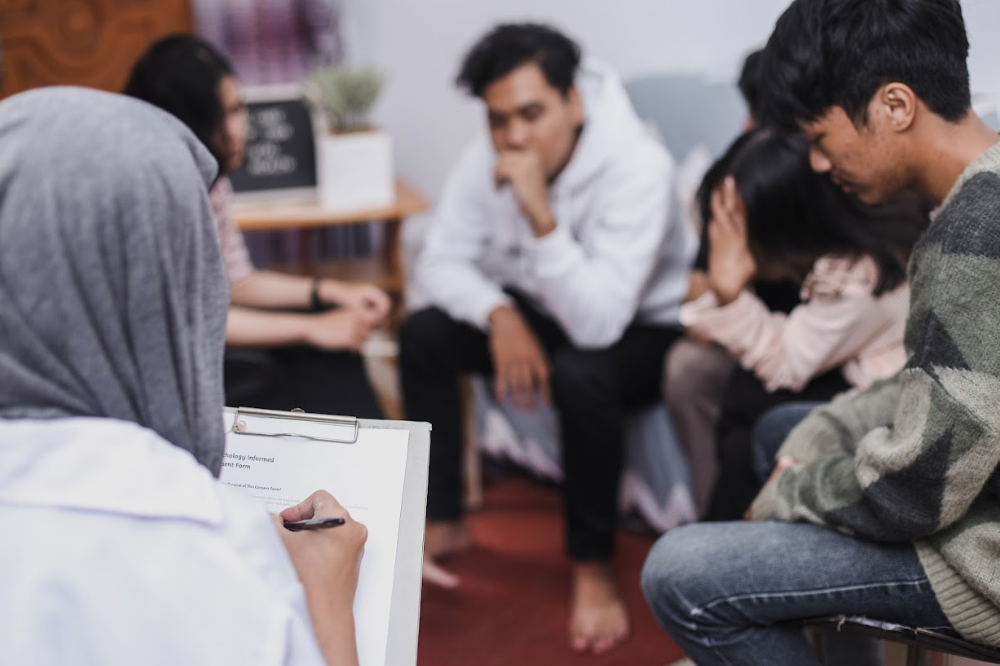
The recovery of mental health in Singapore has been receiving increased awareness, given that more people are becoming aware of the plight of young people. Academic, social and economic pressures are among the causes of stress, anxiety and depression among many youths. Resilience Collective has determined that positive peer support may be instrumental in coping and healing. Mental Health Singapore has developed peer support through which there are safe places where people can express their experiences without being judged. Good programmes consider more than medical care and the strengthening of resilience by involvement in community activities. This is a holistic approach which recognizes that social connections have a role to play in the recovery process. The growing openness of Singapore to mental health talk has contributed to the lack of stigma, and more young people are seeking help.
The Role of Peer Support in Youth Mental Health
Peer support mental health programmes provide youths with an opportunity to interact with individuals who are in their position. Resilience Collective is a peer-led organisation in which people can freely discuss their challenges and improvements. Sharing and listening enable the participants to develop trust, enhance communication skills and foster confidence. Peer support is also used in alleviating the sense of isolation that is prevalent among mental health thriving youth. These initiatives have helped to improve the youth’s mental health in Singapore because they offer non-judgmental support and useful advice. Through lived experience, peer support circles foster a feeling of belonging and hope. It is a method that can be used to complement professional therapies and thus make recovery more sustainable.
Community Efforts to Promote Resilience Mental Health

The families, schools and the broader communities must work to build resilience in mental health. Resilience Collective has been an important actor by holding workshops, support groups and community-based talks. These activities prepare the youths with coping mechanisms and life skills. The programmes of the organisation focus on the importance of the connection and mutual support. Community engagement is beneficial in altering attitudes towards mental health and promoting open discussion. These initiatives can be used to help mental health thriving youths in the long-term by focusing on prevention and recovery. Cooperation among various sectors will help the approach be more inclusive since those in need are being served.
Key Actions to Strengthen Mental Health Recovery
- Enhance open family and school communication.
- Offer secure peer support for communities in sharing.
- Provide mental health education to the youths and caregivers.
- Encourage timely intervention and available resources.
- Engage communities in destigmatisation and awareness raising.
Essential Programme Features for Youth Mental Health Support
|
Programme Name |
Main Focus |
Target Group |
Support Methods |
Organisation Involved |
|
Circles of Resilience |
Peer Support Groups |
Young Adults |
Group Sharing, Activities |
Resilience Collective |
|
Mindful Community |
Peer-Led Support |
General Public |
Support Groups, Education |
Resilience Collective |
|
Youth Empowerment Series |
Life Skills Training |
Secondary Students |
Workshops, Mentoring |
Multiple NGOs |
|
Early Intervention Hub |
Prevention & Support |
Youths (13-25) |
Counselling, Peer Support |
Various Charities |
|
Family Connect |
Caregiver Support |
Families of Youths |
Education, Resources |
Community Organisations |
The Importance of Early Intervention in Youth Mental Health
The mental health issues in young people in Singapore can be averted by early intervention, which ensures that problems are not exacerbated and result in improved outcomes. Schools and parents are advised to observe the signs of distress in people at an early stage and react to them with support instead of condemnation. The resilience collective promotes proactive behaviour, including the delivery of information and normalisation of help-seeking behaviours. Young people can be steered towards recovery earlier since resources are made more visible and accessible by the communities. Early support does not just benefit people but also minimises the consequences of the situation on families and on society in the long-run. Young people should be encouraged to have open dialogues on mental health at a young age to establish lifelong resilience.
Overcoming Stigma and Barriers to Support

Stigma is a big hindrance to the youth seeking mental health assistance. Most are embarrassed or fear bad impressions from peers and adults. These barriers are to be overcome by breaking them down through acceptance and understanding, which is the goal of peer support mental health in Singapore, which Resilience Collective promotes. Social efforts and education outreach could help since they can break the stereotypes and deliver correct information. Attitude can also be shifted by making public figures and role models discuss mental health. When the stigma is minimised, additional youths will probably receive the help and treatment they require. All the sections of society need to work towards overcoming these challenges.
Conclusion: Moving Forward in Mental Health Recovery and Resilience
The path to mental health recovery in Singapore lies in solidarity and in constant support. The examples of programmes such as resilience collective set by peers and mentors show how peer support and resilience mental health programmes can help youths and communities. When society aims at mental health development of youth in Singapore and brings about the ideas of accessible and stigma-free assistance, society will be able to make every person take a step towards success. Immediate intervention, open communication and involvement of the community are still imperative towards sustainable well-being. The more people and organisations collaborate, the more the vision of having mentally healthy youths may be achieved, and this will build a better future.