 Tasselline | Latest Articles By Singaporeans, for Singaporeans Article Site for Singaporeans
As businesses in Singapore continue to evolve in 2026, reliable communication remains a core requirement for daily operations. At Tele-Info, we help companies of all sizes implement dependable and future-ready phone solutions tailored to their needs. A well-designed PBX phone system Singapore businesses rely on can improve internal collaboration, customer response times, and overall efficiency. We offer full PBX telecommunications services, from system design and consultation to installation and ongoing support. This guide tells you everything you need to know about PBX and PABX systems so you can choose the best one with confidence.
What Is a PABX System?
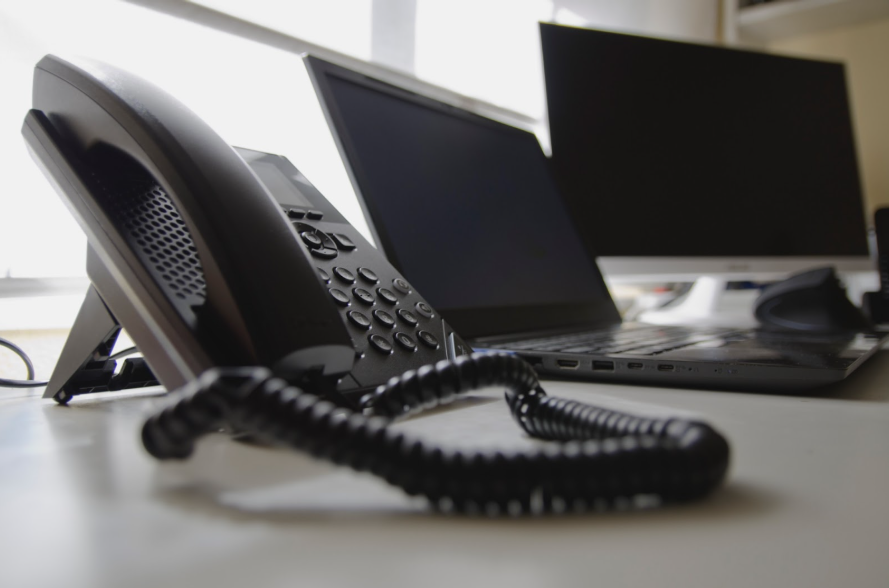
A Private Automatic Branch Exchange (PABX) system is a private phone network that an organization uses. It allows employees to make internal calls to one another and external calls using shared phone lines. Instead of assigning a separate line to every user, a PABX system manages calls efficiently through a central control unit.
At Tele-Info, we design and deploy the PABX telephone system Singapore businesses use to streamline communication while keeping costs manageable. Offices that need professional call handling features, call routing, and multiple extensions will love these systems.
How Much Does a PABX System Cost in Singapore?
The cost of a PABX system depends on several factors, including the number of extensions, system type, and features required. Hardware-based systems may involve higher upfront costs, while IP-based systems offer flexibility and scalability.
| Business Size | Estimated Cost Range (SGD) |
| Small Office (5–10 users) | $1,500 – $3,000 |
| Medium Office (20–50 users) | $3,000 – $8,000 |
| Large Office (50+ users) | $8,000 and above |
Tele-Info ensures long-term dependability and value for money by assisting businesses in choosing a PBX phone system that Singapore businesses can expand with.
How to Set Up a PABX System
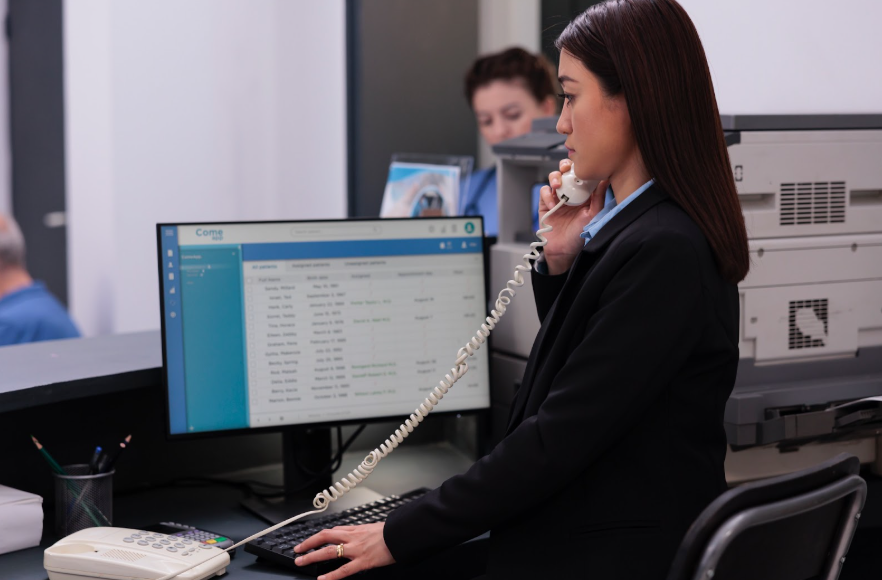
Setting up a PABX system requires proper planning and professional installation to ensure smooth operation. At Tele-Info, we follow a structured process to minimise disruption and maximise performance.
Our setup process includes:
- Site assessment and requirement analysis
- System design based on business needs
- Hardware and software installation
- Configuration of extensions and features
- Testing, training, and handover
With our experience in PBX telecommunications, we ensure every system is installed correctly and optimised for daily use.
PABX vs PBX: What’s the Difference?
A lot of people use the words PBX and PABX to mean the same thing, but they aren’t exactly the same. PBX stands for Private Branch Exchange, and PABX stands for Private Automatic Branch Exchange. The “automatic” aspect means calls are routed automatically without manual operator assistance.
Most of the time, the PABX phone systems that Singapore businesses use today are automated and IP-based. The difference is mostly technical, not practical. Tele-Info works with both old and new systems, so customers can pick the one that works best for them.
How a PABX Telephone System Works
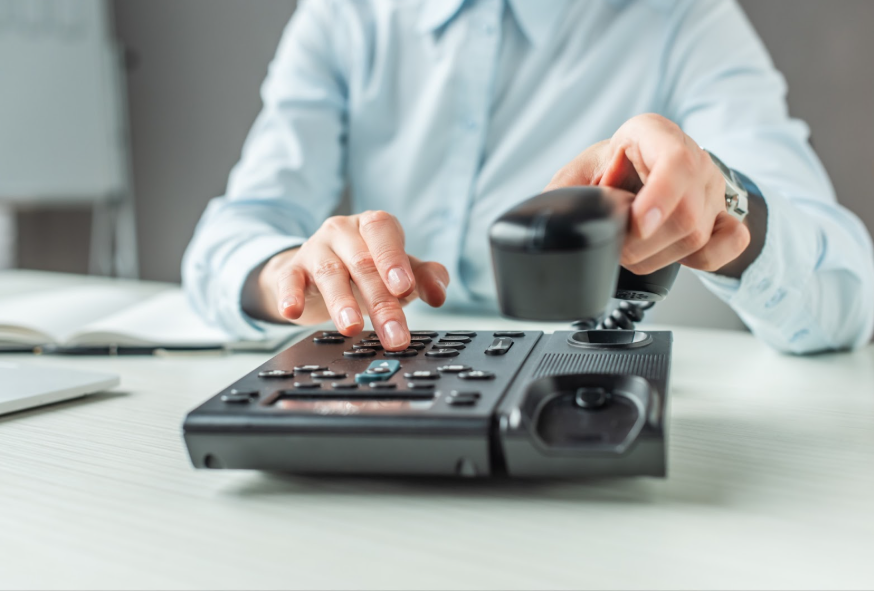
A PABX system links all of the office’s extensions to a single unit. The system checks to see if a call is coming from inside or outside the company and then sends it to the right place. It connects to public phone lines or the internet for calls outside of the company.
With Tele-Info’s solutions, businesses benefit from stable call routing, clear voice quality, and seamless integration with existing IT infrastructure. Our expertise in PBX telecommunications ensures dependable performance even during high call volumes.
The Main Features of a PABX System
Modern PABX systems offer far more than basic calling. At Tele-Info, we provide systems with features that support professional communication and business growth.
Common features include:
- Auto-attendant and call routing
- Call forwarding and voicemail
- Conference calling
- Call transfer and hold
- Detailed call logs and reporting
Because of these features, a PBX phone system is an important tool for Singapore businesses to use for customer service and internal communication.
Pros and Cons of a PABX Phone System
Like any technology, a PABX system has its advantages and limitations.
Pros:
- Cost-effective internal communication
- Professional call handling
- Scalable as the business grows
- Centralised management
Cons:
- Initial setup cost for hardware systems
- Requires professional maintenance
- Older systems may have limited flexibility
Tele-Info addresses these challenges by offering modern PABX telephone system Singapore solutions with ongoing technical support and upgrade options.
Why Businesses Choose Tele-Info for PBX Solutions
At Tele-Info, we do more than just install phone systems. We act as a long-term communication partner. Our team understands the local business environment and delivers customised solutions that align with operational goals.
What sets us apart:
- End-to-end PBX telecommunications expertise
- Tailored solutions for SMEs and large enterprises
- High-quality equipment and proven brands
- Reliable after-sales support and maintenance
By choosing Tele-Info, businesses gain a communication system that is reliable, scalable, and professionally managed.
Conclusion
As companies look ahead to 2026 and beyond, it is important that they invest in a good phone system. A good PBX phone system Singapore companies trust can help improve productivity and customer service.
At Tele-Info, we specialise in delivering modern PABX telephone system Singapore solutions designed around real business needs. With our experience in PBX telecommunications, we ensure every system is easy to use, cost-effective, and built for the future. For businesses looking to upgrade or install a new PBX or PABX system, Tele-Info remains a trusted partner in professional communication solutions.