 Tasselline | Latest Articles By Singaporeans, for Singaporeans Article Site for Singaporeans
If you’ve ever worked in an office building, managed a facility or even lived in a densely populated residential development, you’ve probably experienced a false alarm at least once. The interruption itself is frustrating, but the bigger problem comes later. When alarms happen too often without a real emergency, people slowly stop taking them seriously. That has become a growing concern in modern buildings. In 2026, AI based technology is starting to change that. Instead of reacting instantly to every single trigger, newer systems are learning to assess situations more carefully, helping buildings reduce unnecessary disruptions while still responding quickly when something genuinely needs attention.
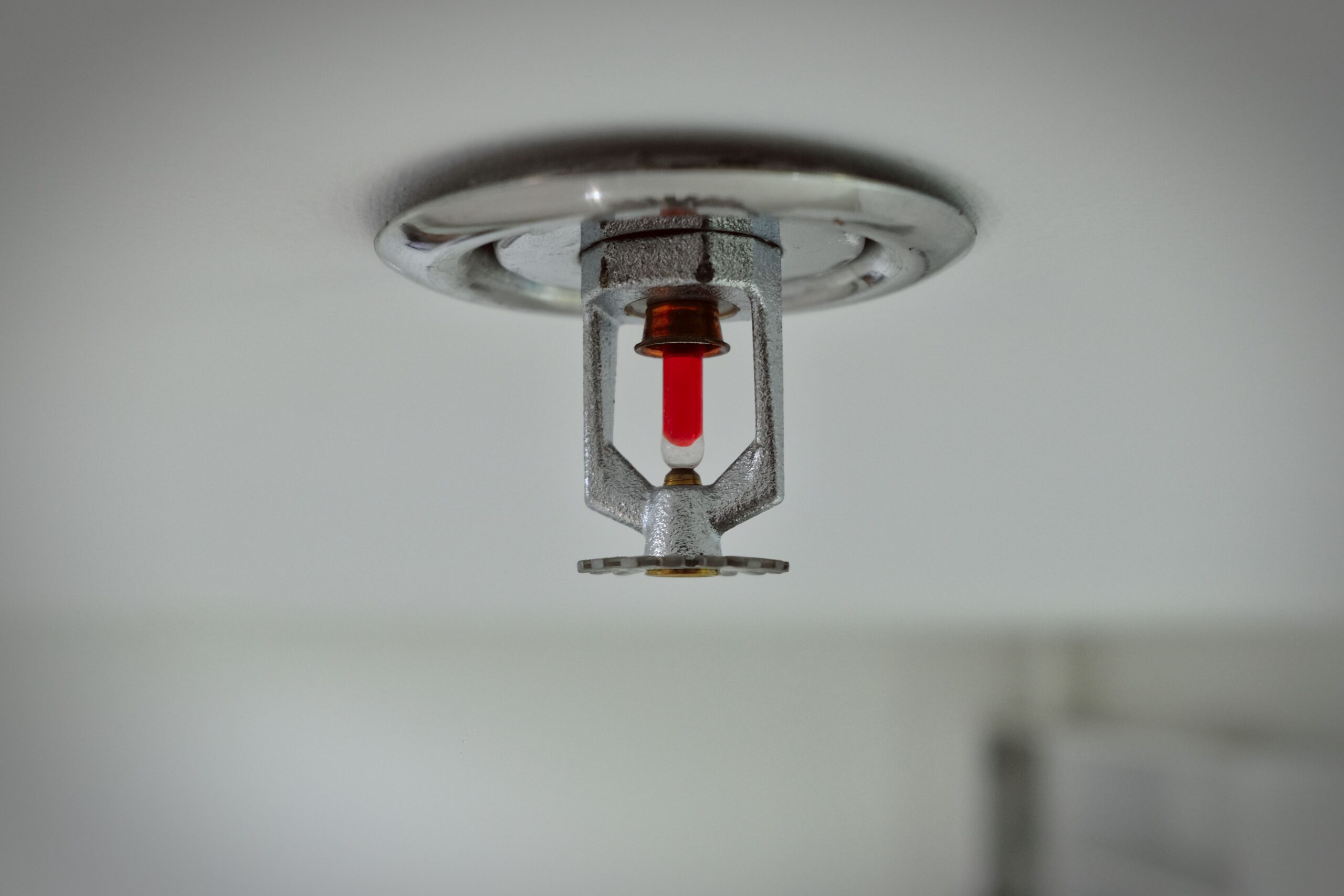
False alarms are more disruptive than people think
At first glance, a false alarm seems harmless. People leave the building, wait a few minutes, then go back to work.
But repeated interruptions have a way of changing behaviour. People become slower to react. Teams lose productivity. Building managers receive complaints. In some cases, occupants begin assuming every alert is another mistake.
That is why reducing false alarms has become an important conversation in modern fire protection planning.
The old approach worked but had limitations
Traditional alarm systems were designed with one main priority: detect quickly.
That approach still matters today. The challenge is that older systems often respond to one event at a time. Smoke appears. The temperature rises. Alarm activates.
The system does not always understand context. Steam from cleaning activity, dust during maintenance work, or temporary environmental changes can sometimes trigger responses that are not actual fire events.
Modern technology is trying to improve that gap.
So what does AI actually do differently?
The simplest way to explain it is this. Instead of making decisions based on one signal, AI based systems look at several conditions together before deciding whether an alarm should activate.
That might include:
-
Smoke levels
-
Heat movement
-
Environmental patterns
-
Sensor history
-
Conditions in nearby zones
It is less about replacing detection and more about making detection smarter.
Small improvements can make a big difference
One thing building operators are starting to notice is that reducing unnecessary alerts improves daily operations more than expected.
Here is a simple comparison.
|
Scenario |
Traditional response |
AI supported response |
|
Dust near detector |
Alarm triggered |
Additional verification |
|
Temporary steam |
Immediate alert |
Environmental review |
|
Sensor inconsistency |
Fault warning |
Diagnostic analysis |
|
Heat fluctuation |
Alarm response |
Pattern evaluation |
The goal is not to delay alerts. It is to improve confidence that alerts mean something.
Modern alarm systems are becoming more connected
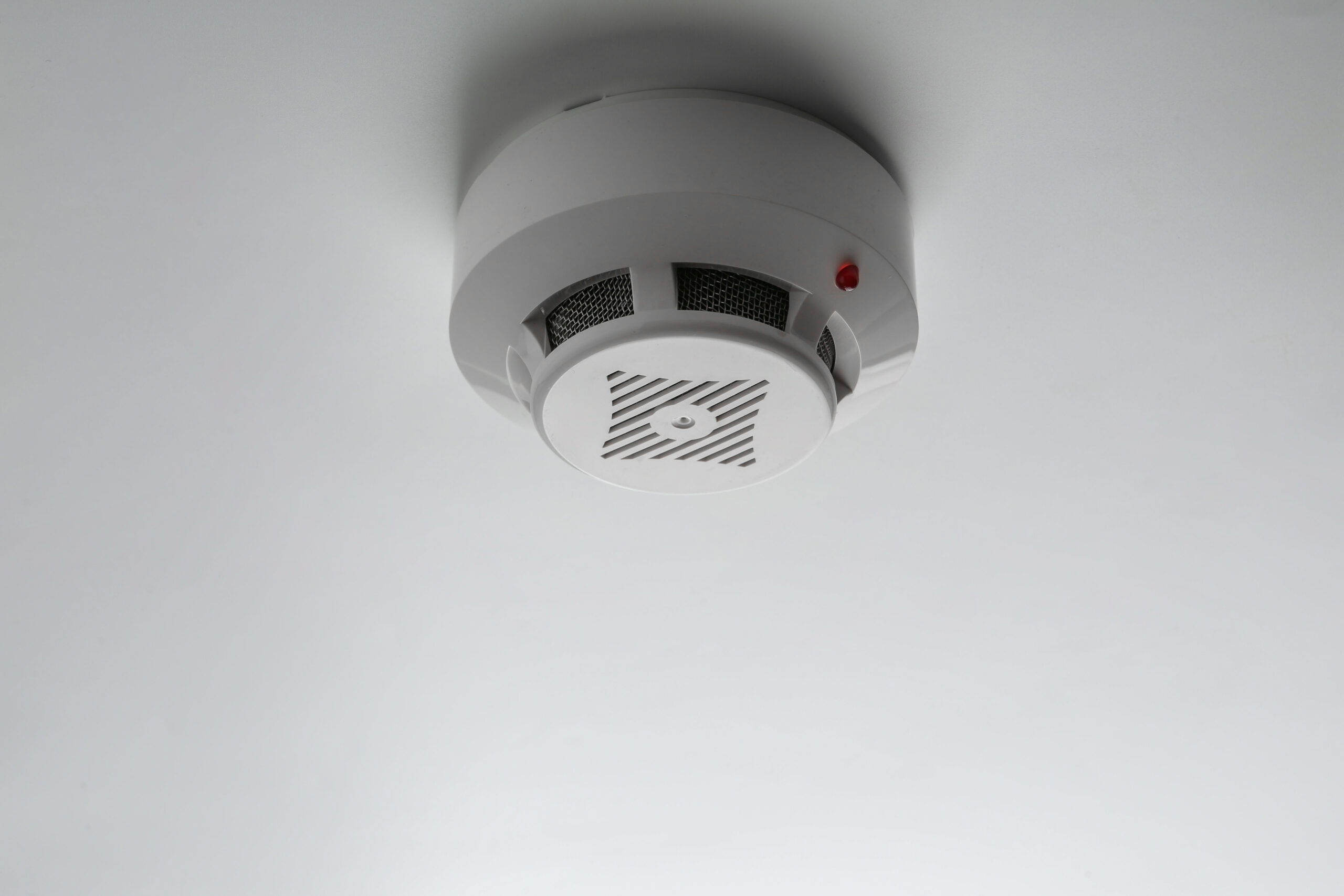
Buildings today do not operate the same way they did ten years ago. Systems talk to each other more often now.
A modern fire alarm system may connect with:
-
Building management software
-
Occupancy systems
-
Ventilation controls
-
Maintenance dashboards
That creates a more complete picture of what is happening inside the building. Instead of one isolated signal, decisions become more informed.
Maintenance is changing too
One unexpected benefit of AI is that it is helping maintenance teams. Traditionally, inspections happened on fixed schedules.
Now, systems can sometimes identify unusual behaviour before people notice a problem.
Examples include:
-
Sensors reacting differently than normal
-
Devices losing communication
-
Components showing early wear signs
That allows teams to act sooner rather than waiting for breakdowns.
Technology still works alongside traditional fire safety
Even with smarter systems, the basics still matter.
Buildings continue relying on:
-
Quality fire equipment
-
Manual response procedures
-
Backup tools such as a fire extinguisher
-
Detection and notification systems
-
Automated fire suppression systems
AI supports those layers. It does not remove them.
That distinction matters because good safety still depends on multiple systems working together.
There are still practical things to consider

Like most new technologies, intelligent systems are not automatically the right fit for every situation.
Building owners usually look at:
-
Installation planning
-
Long term servicing
-
System compatibility
-
Operational goals
The best results tend to come from solutions designed around how a building actually operates rather than simply adding more technology.
Looking ahead
The interesting part is that this shift is still early. As systems continue improving, future buildings may become better at recognising unusual conditions, predicting faults, and reducing unnecessary interruptions.
The direction is becoming clearer though. Fire safety is moving from reacting to events toward understanding them earlier.
Conclusion
False alarms may seem like a small inconvenience, but over time they can affect how people respond during real emergencies. These smarter systems are helping buildings increase accuracy without compromising response speed. As technologies evolve, better detection and more robust decision making become a practical aspect of current fire protection strategies. Firetronics provides innovative solutions to businesses in Singapore to enhance reliability, minimise unnecessary disruptions, and create safer environments with well planned fire safety systems.
FAQs
1. Why do false alarms happen so often?
They can happen for many reasons including dust, environmental changes, ageing components, or overly sensitive settings.
2. Does AI stop false alarms completely?
Not completely. The aim is usually to reduce unnecessary alerts and improve decision accuracy.
3. Will AI make alarm systems slower?
No. The goal is still fast response while reducing avoidable activations.
4. Are intelligent systems difficult to maintain?
Not always. Some even help to identify maintenance needs sooner.
5. Is this technology only useful for large buildings?
No. Different property types can benefit depending on operational requirements.