 Tasselline | Latest Articles By Singaporeans, for Singaporeans Article Site for Singaporeans
Most people have noticed small spots or shapes drifting across their vision at some point. These are known as eye floaters. They may look like dots, threads, or cobweb-like shadows that move when the eyes move. Many times, these eye floaters are a sign of normal ageing of the eyes and have no ill effect. Sometimes, the sudden appearance of eye floaters or an increase in eye floaters might signal other problems within the eye and require an examination by an eye doctor to determine the cause.
What Are Eye Floaters?
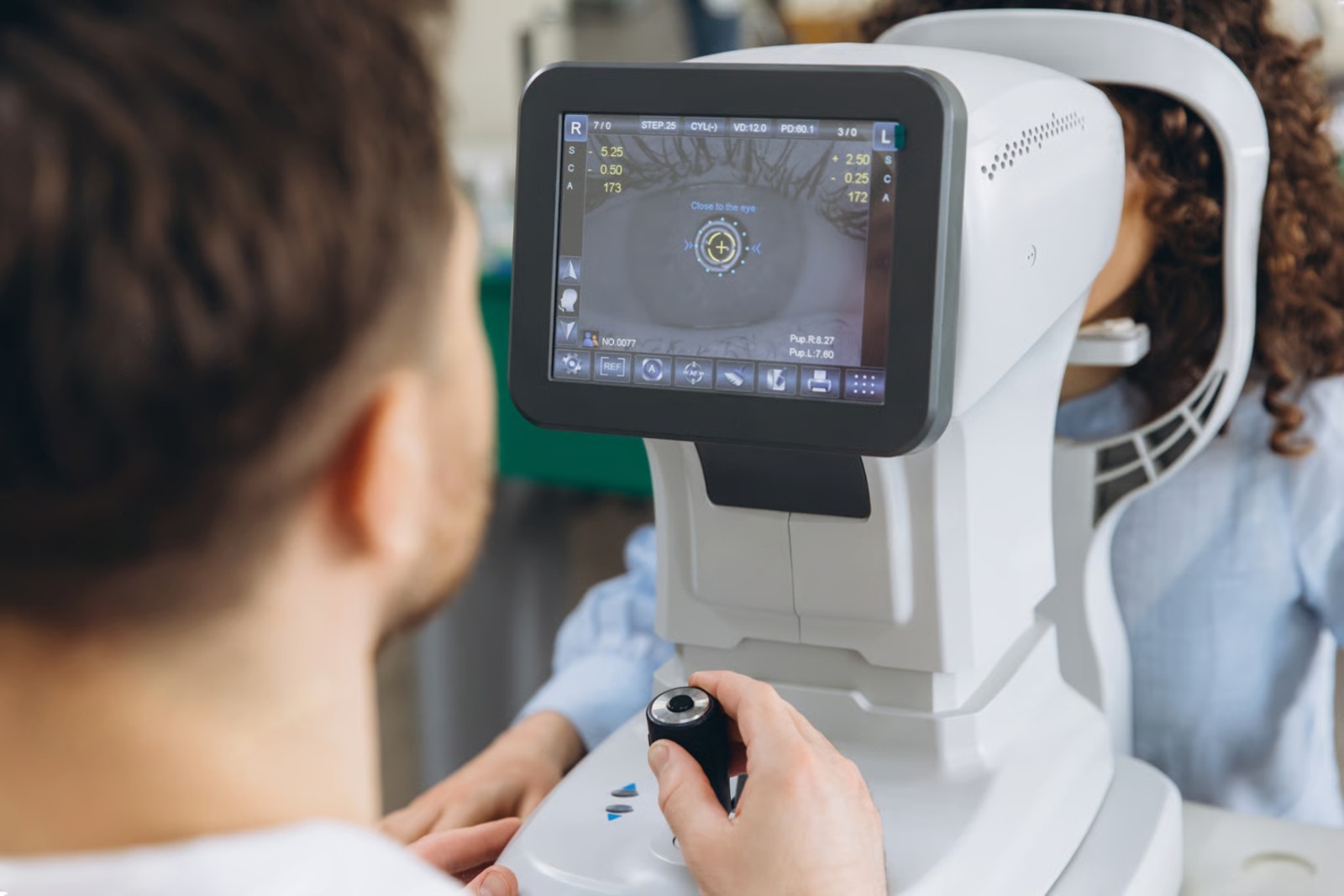
The causes of eye floaters lie in a buildup of tiny particles within the vitreous (the gel inside the eye) as they grow older. As light enters the eye, these particles cast shadows on the retina, making them appear as small spots, threads, or shapes drifting across your vision. Floaters tend to be more prominent when looking against a bright, uniformly colored background, like a white wall or the blue sky.
While having a few floaters is a normal occurrence, and will become more prevalent with age, new floaters appearing or an increase in their quantity will often be cause for concern.
Why Do Eye Floaters Develop?
The most common reason for the appearance of eye floaters is age-related changes in the vitreous fluid, which is responsible for the overall structure of the eye. Over time, our eyes’ vitreous becomes less solid, more liquid, and forms the small bits we see float about.
There is plenty of evidence which suggests that changes in the vitreous, associated with growing older, are responsible for eye floaters occurring. Such a change often leads to Posterior Vitreous Detachment, the separation of the retina and the eye’s vitreous, through the natural process of ageing. (Ahmed et al. 2023)
Types Of Eye Floaters
- Small black spots
- Thin stringy or thread-like structures
- Cobweb-like networks
- Ring shapes
- Translucent wavy shapes
Should I Be Concerned About Eye Floaters?
People may have some floaters without any disease of the eye present as they get older. The rise in the frequency of vitreous floaters is normally due to the ageing of the eye. (Bergstrom & Czyz, 2022)
Should the floaters remain unchanged in position, appearance or volume, and no additional symptoms appear, an eye doctor may recommend that you monitor them whilst maintaining normal eye check-ups.
Flashes & Floaters: Is Something Serious Going On?
Other reasons for concern are the sudden onset of flashes accompanied by floaters. Flashes appear as a short burst, flash of light, or brief streaks of light within peripheral vision due to traction of the vitreous body on the retina from the ageing process.
Multiple clinical studies have found a correlation between the onset of sudden flashes and floaters and other retinal complications, which signal that medical attention is required. (Johnson & Hollands, 2012) It is advised to seek immediate medical assessment by an eye doctor if a sudden burst of both becomes apparent.
Eye Floaters: Could There Be Something Serious Happening?
Though many of the common causes for the onset of floaters don’t need treatment, there are some that may be more significant. Increased prevalence of floaters, a sudden burst of light and changes in vision may all indicate the presence of a tear in your retina.
A tear develops in the retina due to the tension produced when the vitreous body separates from the retina, creating small ruptures. If not checked, retinal tears can become sight-threatening if the retina detaches. As seen in numerous studies of posterior vitreous detachment, some patients went on to develop a retinal tear requiring specific assessment from an eye doctor. (Bond-Taylor et al., 2017)
Comparing Eye Floater Conditions
| Eye Floater Condition | Key Symptoms | Severity Level |
| Normal ageing | Gradual increase in floaters | Minor |
| Posterior Vitreous Detachment | Appearance of new floaters; possible flashes | Moderate |
| Retinal Tear | New; numerous floaters; flashes of light | High |
| Retinal Detachment | New floaters and flashes; shadowing; blurred vision | Very high |
Do Not Disregard These Indications Of A Retinal Tear
Prompt identification of retinal tears is vital to avoid complications; while floaters do not always signify a tear, some are the earliest indications. If you suffer some of the following signs, be sure to have your eyes checked as soon as possible:
- An abrupt increase in the number of floaters you observe
- Once in a blue moon, you’ll see brief flashes of light in your side vision
- A dark shape that spoils some of your sight, like a curtain falling over the eye
- A quick blurring or fading of your visual field
- A sudden and large increase in your floating specks
It has been shown that symptoms similar to these caused by posterior vitreous detachment may predispose to retinal tears in some fraction of cases. (Ramovecchi et al., 2021)
Estimation Method: How Will My Eye Floaters Be Diagnosed?
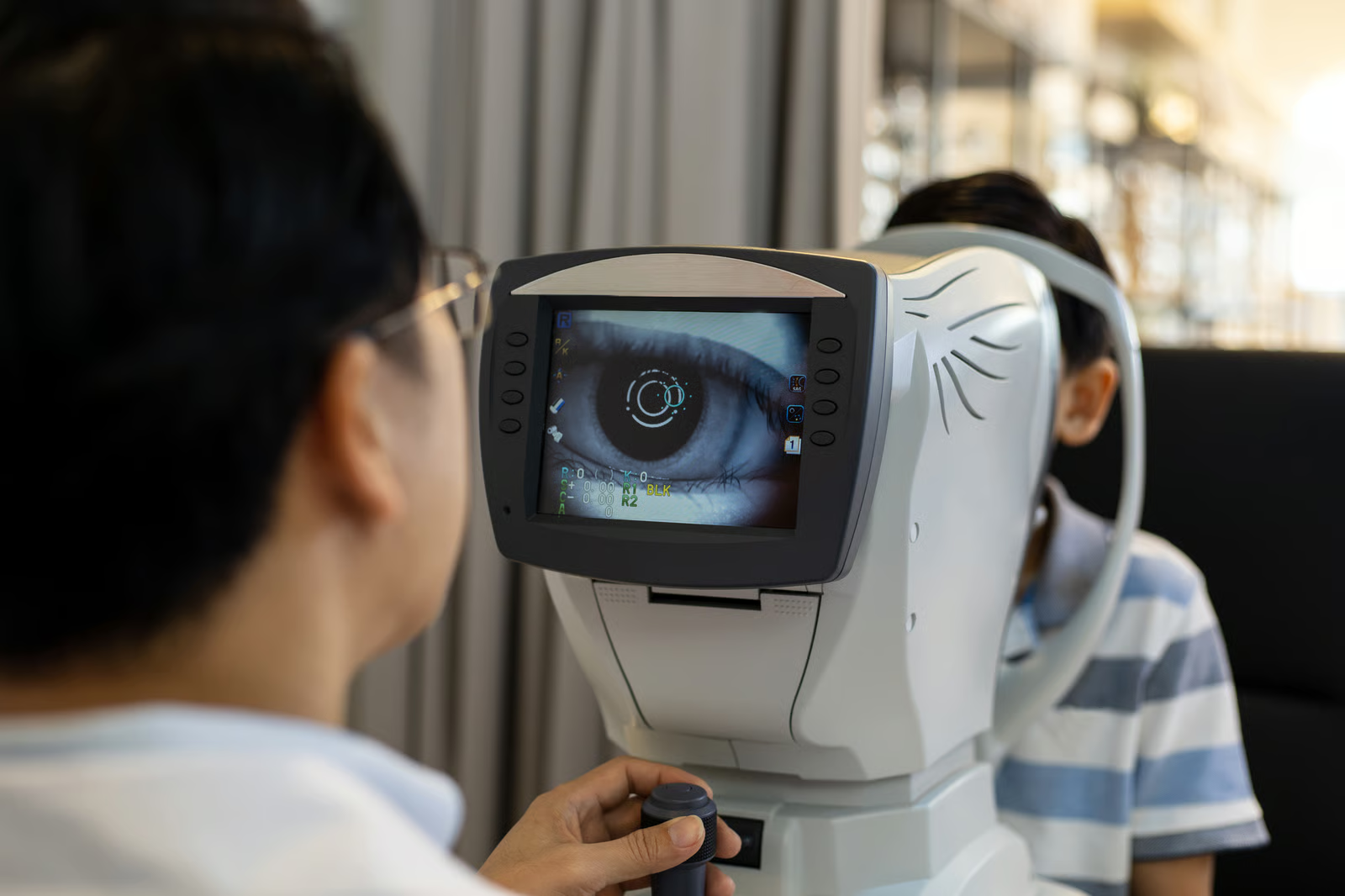
A detailed eye examination in Singapore is required to diagnose the cause of your floaters. This will normally involve your eye doctor asking you about your symptoms, visual acuity tests and a dilated retinal examination. This evaluation will look for anything that is responsible for the floaters, whether it be from the ageing of the vitreous or anything more serious like retinal tears. A full retinal assessment is arguably the most important test for the sudden appearance of eye floaters.
Treating Eye Floaters In Singapore
The course of treatment depends on what is causing your floaters and their severity. For most people, no medical intervention will be needed as the floaters often appear less prominent over time.
If your symptoms do cause visual disturbance, however, the form of eye floater treatment you receive in Singapore will depend on the eye conditions your doctor finds to be the cause. According to your situation, these treatments will repair the retinal tears that you have and at the same time keep an eye on your vision until the issue heals itself.
Are Eye Floaters Preventable?
Not always, as the ageing of the vitreous cannot necessarily be prevented. However, it’s crucial to take care of your eye health by having eye examinations done regularly to identify retinal problems in their earliest stages. Individuals with high myopia, those who have previously had eye surgery or have a family history of retinal problems may need to visit an eye doctor more frequently. Eye check-ups are of utmost importance for an ageing individual as both risks of vitreous changes and complications are heightened.
Conclusion
While often simply a symptom of ageing, new and increasing floaters should not be ignored. Although generally harmless, if accompanied by flashing light or a sudden decline in vision, there could be a problem that requires an eye doctor in Singapore to look at immediately.